
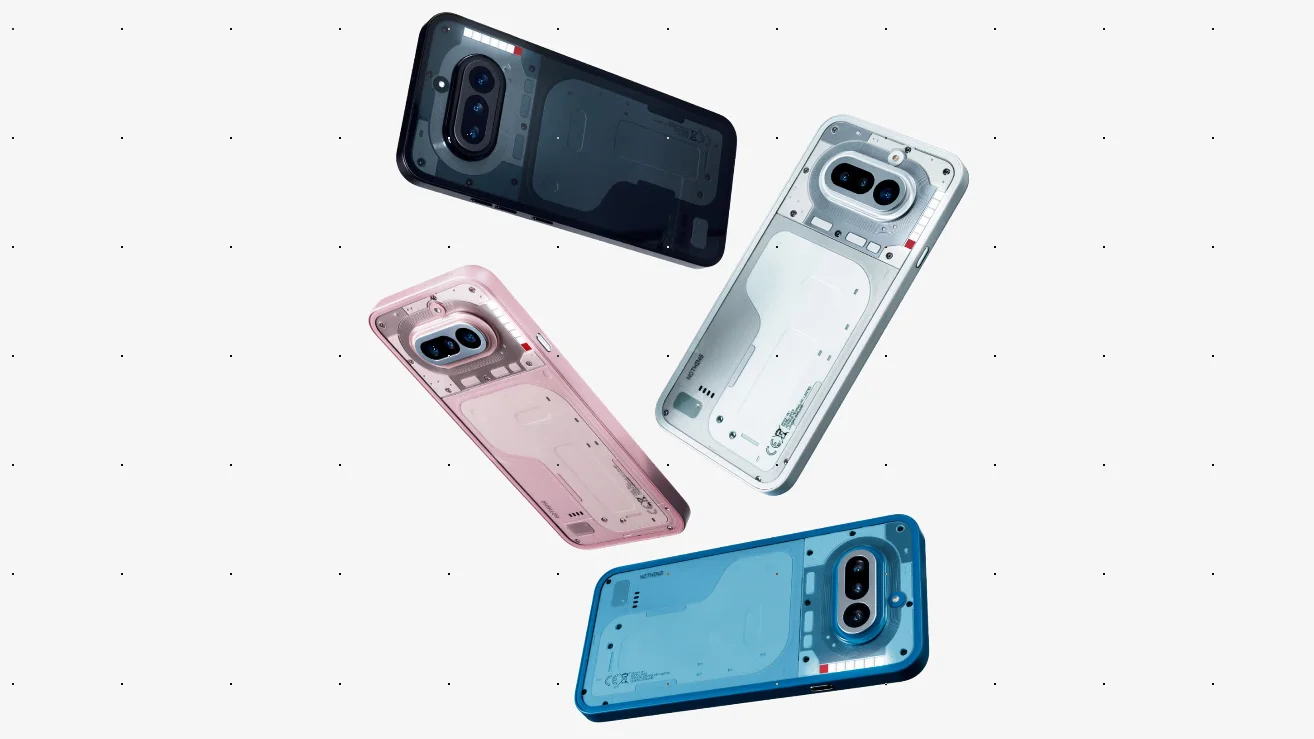
Nothing CEO Warns of Rising Smartphone Prices Due to Memory Chip Shortages
Carl Pei, the founder and CEO of British technology company Nothing, has issued a stark warning about the future of smartphone pricing. According to the tech executive, memory components have now become the single most expensive element in smartphone manufacturing, surpassing even displays and processors that traditionally dominated production costs. This shift marks a significant change in the economics of mobile device manufacturing and could have far-reaching implications for consumers worldwide.
In his recent statements, Pei highlighted that the global shortage of memory chips is creating unprecedented pressure on smartphone manufacturers. The situation is particularly challenging for smaller companies like Nothing, which lack the purchasing power and supply chain leverage of industry giants such as Apple and Samsung. As memory prices continue to climb, these cost increases will inevitably be passed on to consumers, potentially making smartphones significantly more expensive in the coming months and years.
The memory shortage stems from several interconnected factors that have been developing over the past few years. The explosive growth of artificial intelligence applications has created enormous demand for high-performance memory chips, as AI systems require substantial memory capacity for training and operation. Data centers around the world are competing with smartphone manufacturers for the same limited supply of DRAM and NAND flash memory. Additionally, the semiconductor industry faced significant disruptions during the COVID-19 pandemic, and while many sectors have recovered, memory production capacity has struggled to keep pace with surging demand across multiple industries.
Understanding the role of memory in modern smartphones helps explain why this component has become so critical. Today’s devices require increasingly sophisticated memory solutions to handle demanding applications, high-resolution photography, 4K video recording, and complex mobile games. RAM (Random Access Memory) directly impacts how smoothly a phone operates and how many applications can run simultaneously, while internal storage determines how much content users can store locally. Premium smartphones now commonly feature 12GB or even 16GB of RAM, along with storage options reaching 1TB – specifications that were unthinkable just a few years ago.
The memory chip market is dominated by a handful of major players, including Samsung Electronics, SK Hynix, and Micron Technology. This concentration of production capacity means that any disruption at these facilities can have outsized effects on global supply. Samsung alone controls approximately 40% of the global DRAM market, giving it significant influence over pricing and availability. Industry analysts note that memory chip manufacturers have been cautious about expanding production capacity, partly due to the cyclical nature of the semiconductor business, where periods of shortage often give way to oversupply and price crashes.
Nothing, founded by Carl Pei in 2020 after his departure from OnePlus, has positioned itself as a challenger brand offering premium design and features at competitive prices. The company gained attention with its distinctive transparent design aesthetic and its commitment to creating an alternative ecosystem to Apple and Google. However, the memory shortage threatens this value proposition, as rising component costs make it increasingly difficult to offer high-specification devices at accessible price points. Pei’s warning suggests that even brands focused on affordability may have no choice but to raise prices.
The broader smartphone industry is already showing signs of pricing pressure. Average selling prices for smartphones have been trending upward globally, with flagship devices now regularly exceeding $1,000. While manufacturers have introduced various financing options and trade-in programs to ease the burden on consumers, the fundamental economics are shifting. Some analysts predict that entry-level and mid-range devices may see the most significant price increases proportionally, as memory costs represent a larger percentage of their overall bill of materials compared to premium flagships.
Looking ahead, the situation may not improve quickly. Building new semiconductor fabrication facilities requires years of planning and billions of dollars in investment. While companies like TSMC, Samsung, and Intel are expanding capacity, much of this investment is focused on advanced logic chips rather than memory production. Industry experts suggest that the memory supply-demand imbalance could persist well into 2025 or beyond, meaning consumers should prepare for a sustained period of higher smartphone prices. For manufacturers like Nothing, navigating this challenging landscape will require creative solutions, potentially including longer device support cycles, modular designs, or cloud-based alternatives to local storage.