
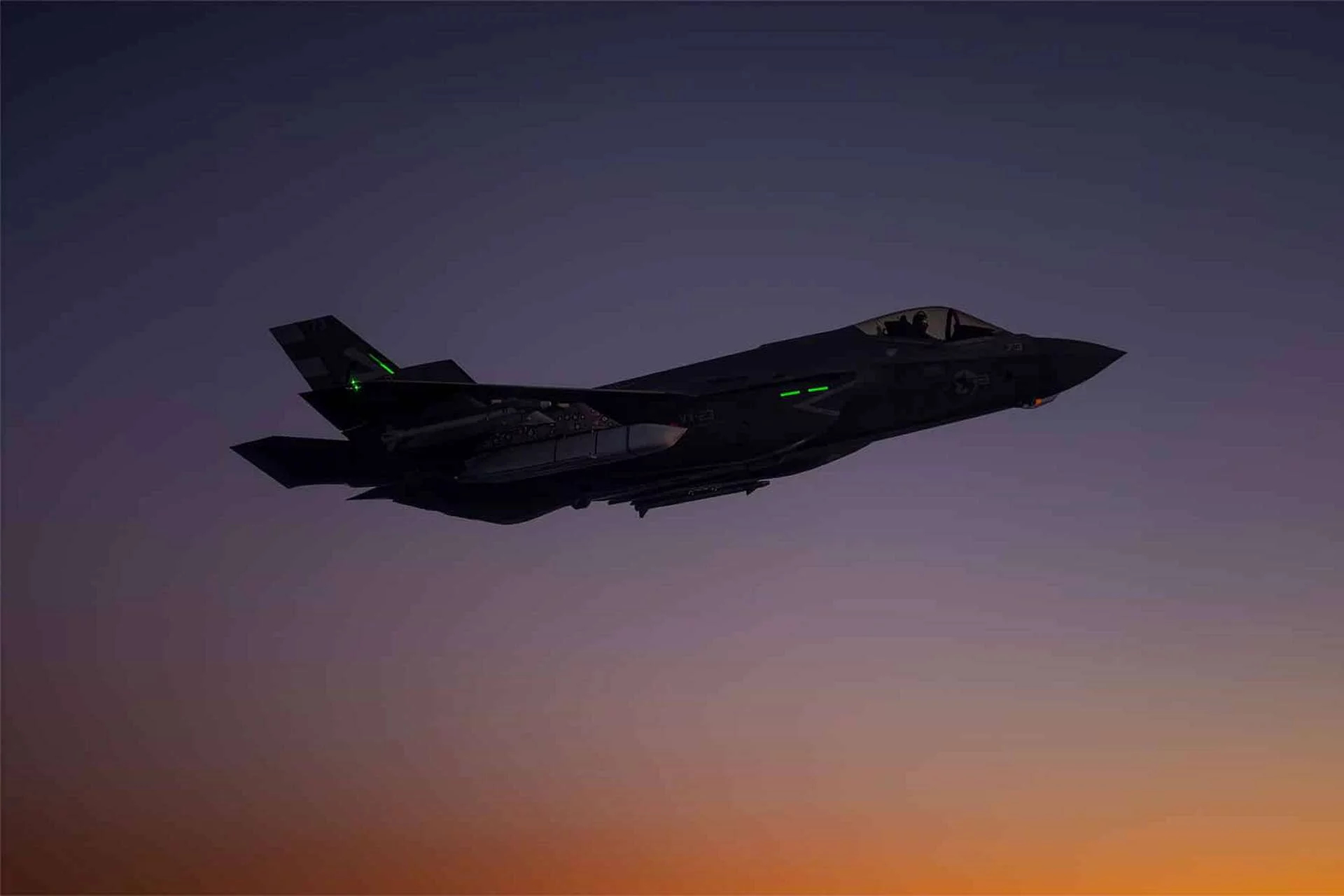
F-35C Successfully Tests LRASM Anti-Ship Missile for Long-Range Maritime Strikes
The United States Navy has achieved a significant milestone in naval aviation warfare capabilities with the first successful integration test of the Long Range Anti-Ship Missile (LRASM) aboard the F-35C Lightning II stealth fighter. This groundbreaking combination brings together two of America’s most advanced military technologies, creating a formidable threat to adversary naval vessels operating at extended ranges. The test represents years of development work aimed at enhancing the Navy’s ability to project power across vast ocean distances while maintaining the tactical advantages of fifth-generation stealth technology.
The LRASM, designated AGM-158C, represents a quantum leap in anti-ship missile technology. Unlike conventional anti-ship weapons that rely heavily on external targeting data, the LRASM possesses autonomous targeting capabilities that allow it to independently detect, identify, and track enemy vessels. This sophisticated guidance system combines multiple sensor technologies, including an advanced imaging infrared seeker and a digital anti-jam GPS receiver, enabling the missile to navigate through contested electromagnetic environments. The weapon can discriminate between different ship types and select high-value targets from among a group of vessels, making it exceptionally effective against modern naval formations.
The F-35C, the carrier-variant of the Joint Strike Fighter program, brings unique advantages to this weapons pairing. As the Navy’s first operational stealth fighter designed for aircraft carrier operations, the F-35C features reduced radar cross-section technology that allows it to penetrate sophisticated air defense networks. The aircraft’s advanced sensor fusion capabilities, including the AN/APG-81 active electronically scanned array radar and the Distributed Aperture System, provide pilots with unprecedented situational awareness. When combined with the LRASM’s extended range of approximately 200 nautical miles or more, this pairing allows Navy strike fighters to engage enemy warships while remaining outside the effective envelope of most shipborne air defense systems.
The development of the LRASM program originated from the Defense Advanced Research Projects Agency (DARPA) in response to growing concerns about the anti-access/area denial capabilities being developed by potential adversaries, particularly China and Russia. The program was accelerated following assessments that existing anti-ship missiles, including the venerable Harpoon, were becoming increasingly vulnerable to modern shipboard defense systems. Lockheed Martin was awarded the contract to develop the weapon, building upon the proven airframe of the Joint Air-to-Surface Standoff Missile Extended Range (JASSM-ER). The LRASM entered service with the U.S. Air Force on B-1B bombers in 2018 and has since been integrated onto F/A-18E/F Super Hornets.
Military analysts view this capability development as crucial for maintaining American naval superiority in the Pacific theater. The People’s Liberation Army Navy has undergone rapid modernization over the past two decades, fielding increasingly capable surface combatants equipped with advanced air defense systems and anti-ship missiles of their own. The integration of LRASM onto the F-35C platform provides carrier strike groups with a credible offensive capability against these emerging threats. Defense experts note that the combination of stealth, advanced sensors, and long-range precision weapons creates multiple dilemmas for adversary commanders attempting to defend their naval assets.
The testing process for integrating new weapons onto the F-35 platform is notoriously rigorous, involving extensive software modifications to the aircraft’s mission systems computers. The F-35’s weapon integration requires updates to the aircraft’s operational flight program, which must be validated through numerous ground tests and flight trials before operational clearance is granted. This latest milestone with the LRASM suggests that the Navy is moving closer to fielding this enhanced strike capability across its carrier air wings. Once fully operational, F-35C squadrons will possess the ability to conduct distributed maritime strikes, launching coordinated attacks from multiple vectors to overwhelm enemy defenses.
Looking ahead, the successful integration of LRASM onto the F-35C platform is expected to significantly influence naval warfare doctrine and operational planning. The combination provides commanders with flexible response options ranging from single-aircraft precision strikes to massed attacks involving multiple platforms. As great power competition intensifies and naval forces worldwide continue to modernize, the United States Navy’s investment in advanced anti-ship capabilities reflects the enduring importance of sea control in national defense strategy. The F-35C and LRASM pairing represents just one element of a broader effort to ensure American carrier strike groups remain relevant and lethal in an increasingly contested maritime environment.