
Hasselblad Finally Releases Phocus Mobile for Android: A 16-Year Wait Comes to an End
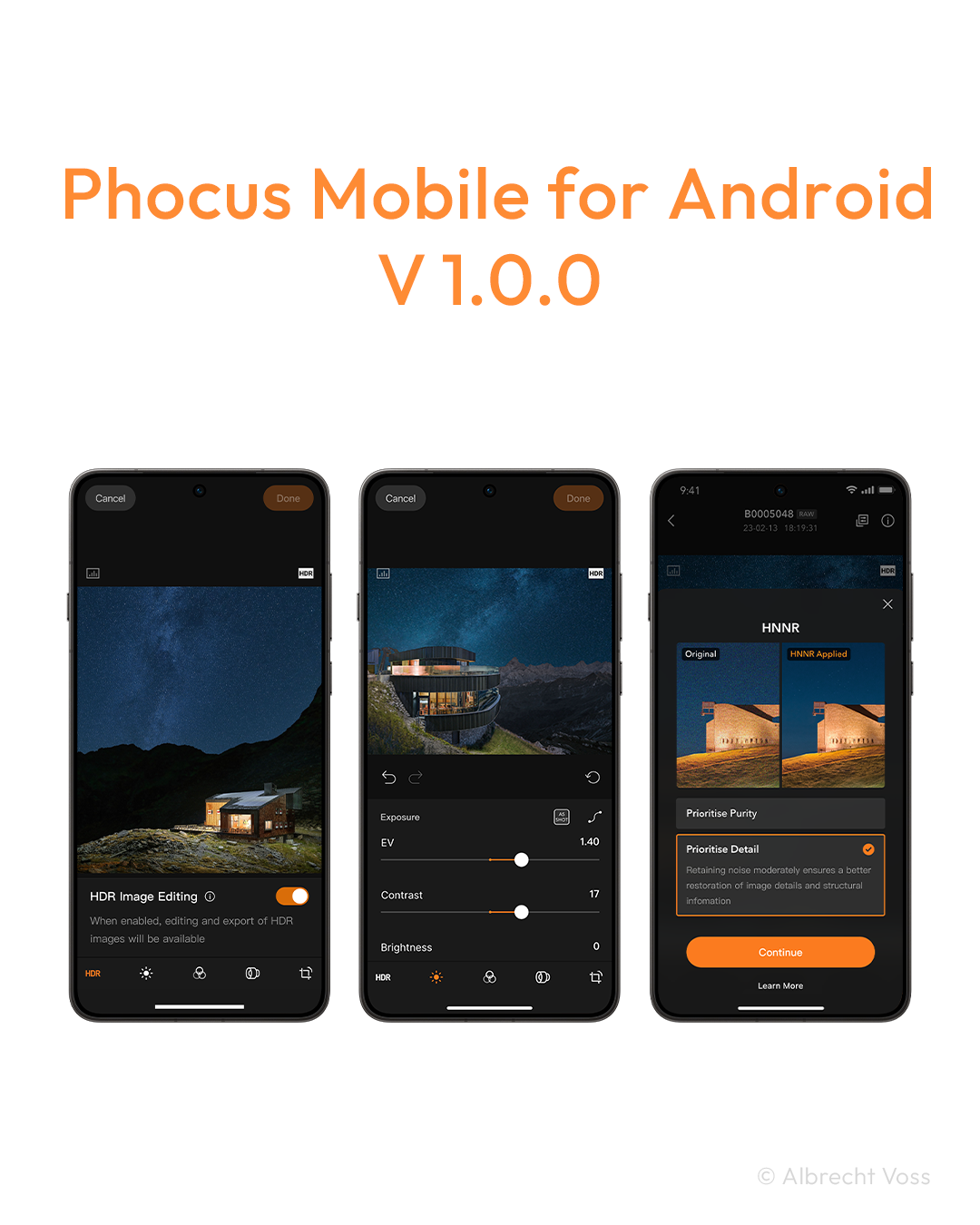
Swedish camera manufacturer Hasselblad has officially launched its Phocus Mobile application for Android devices, marking a significant milestone that comes a full 16 years after the software first debuted on Apple’s iPhone platform. The long-awaited release brings professional-grade photo management and editing capabilities to Android users who own Hasselblad’s premium medium format cameras, finally bridging a gap that had frustrated many photographers in the Android ecosystem for over a decade and a half.
The Phocus Mobile application allows photographers to import their high-resolution images directly from Hasselblad cameras to their Android smartphones and tablets using either Wi-Fi connectivity or a physical USB-C connection. This functionality enables professionals and enthusiasts alike to review, edit, and share their work while still in the field, without needing to return to a desktop computer. The app supports the company’s proprietary RAW file format, ensuring that users can work with the full dynamic range and color depth that Hasselblad cameras are renowned for capturing.
Hasselblad’s history in photography spans more than eight decades, with the Swedish company establishing itself as one of the most prestigious names in the industry. Founded in 1941, Hasselblad gained worldwide recognition when NASA selected its cameras for the Apollo space missions, including the historic Apollo 11 moon landing in 1969. The iconic images of astronauts on the lunar surface were captured using modified Hasselblad cameras, cementing the brand’s reputation for exceptional reliability and image quality in the most demanding conditions imaginable.
The 16-year delay in bringing Phocus Mobile to Android reflects a pattern that has been common in the photography software industry, where iOS has traditionally received priority treatment from major manufacturers. This preference historically stemmed from several factors, including iOS’s more unified hardware ecosystem, which made app development and testing more straightforward, as well as the perception that professional creative users were more likely to own Apple devices. However, as Android’s market share has grown to dominate the global smartphone landscape, representing approximately 70% of devices worldwide, companies have increasingly recognized the need to support both platforms equally.
The release comes at a particularly interesting time for Hasselblad, which was acquired by Chinese drone manufacturer DJI in 2017. This partnership has led to significant cross-pollination between the two companies, with Hasselblad’s imaging expertise being integrated into DJI’s aerial photography platforms, while DJI’s technological resources have helped modernize Hasselblad’s approach to digital connectivity and software development. Industry analysts suggest that DJI’s influence may have accelerated the Android development, given the Chinese company’s extensive experience in creating cross-platform applications for its drone control systems.
Professional photographers who have tested the Android version report that it maintains feature parity with its iOS counterpart, offering the same suite of editing tools including color correction, exposure adjustment, and the ability to apply Hasselblad’s Natural Color Solution technology. This proprietary color science system is designed to reproduce colors exactly as the human eye perceives them, a capability that has made Hasselblad cameras particularly popular among fashion, portrait, and commercial photographers who demand absolute color accuracy in their work.
The timing of this release also coincides with growing competition in the medium format camera market. Companies like Fujifilm have made significant inroads with their GFX series, offering more affordable entry points into medium format photography while providing robust software ecosystems that support both major mobile platforms. By finally addressing the Android gap, Hasselblad is positioning itself to retain customers who might otherwise have considered switching to competitors with more comprehensive software support.
Looking ahead, Hasselblad has indicated that it plans to continue developing and updating the Phocus Mobile application for both platforms simultaneously, promising regular feature updates and performance improvements. For the dedicated community of Hasselblad users who have waited patiently since 2009 for Android support, this announcement represents not just the arrival of a useful tool, but a signal that the company is committed to serving its entire customer base regardless of their mobile platform preferences. The app is now available for download on the Google Play Store, supporting devices running Android 10 and later versions.