
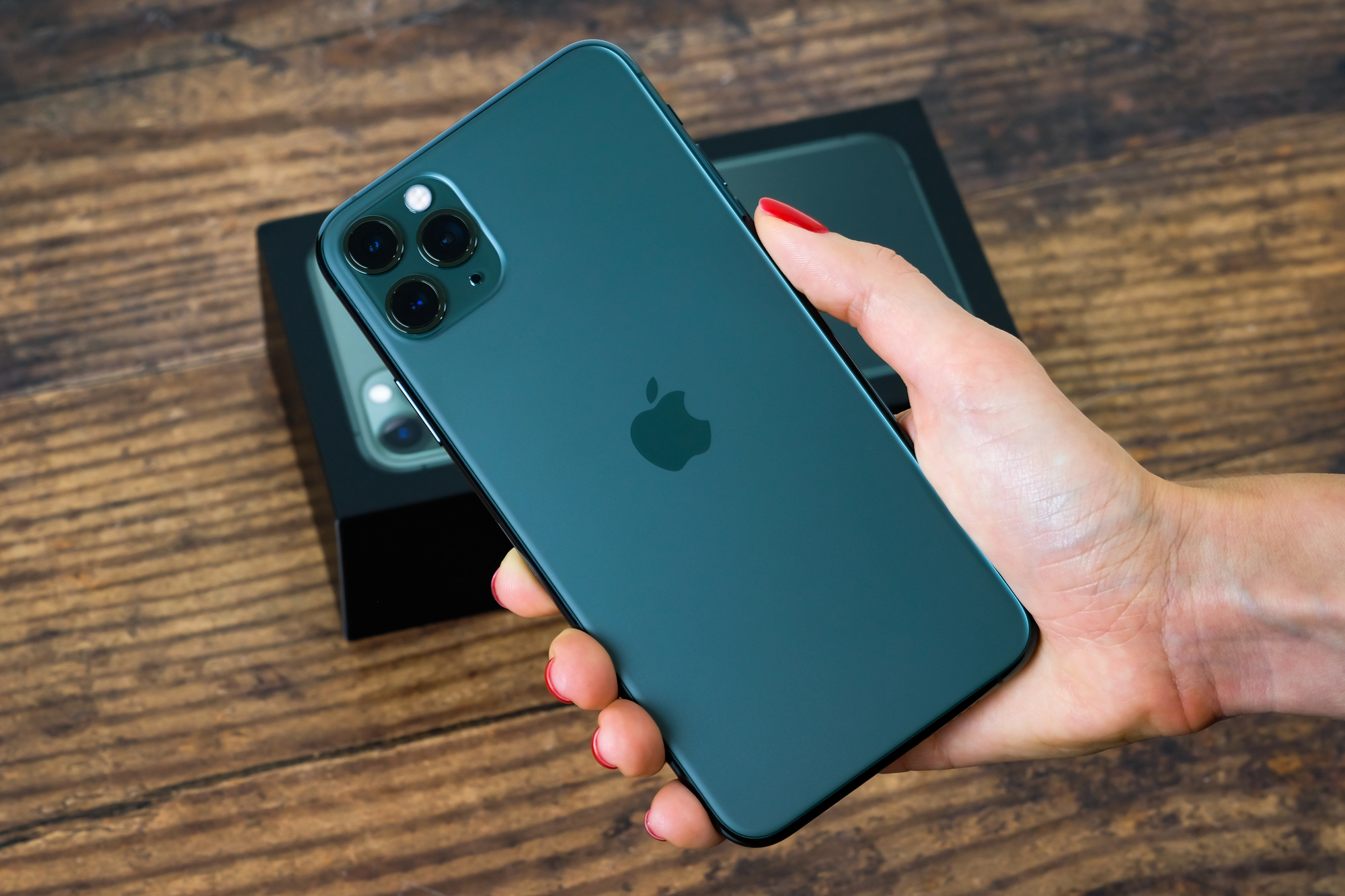
iOS 27 May Drop Support for Four Popular iPhone Models as Apple Pushes AI-First Strategy
Apple’s upcoming iOS 27 operating system, expected to launch in fall 2025, may discontinue support for four widely-used iPhone models, according to recent reports from industry insiders and technology analysts. This move signals Apple’s aggressive push toward artificial intelligence integration, as the company continues to align its software requirements with the hardware capabilities necessary to run advanced AI features. The models potentially facing obsolescence include the iPhone 11, iPhone XR, iPhone XS, and iPhone XS Max — devices that remain in active use by millions of consumers worldwide.
The primary driving force behind this significant software cutoff appears to be Apple’s next-generation Siri, which has been completely rebuilt using large language model technology. Reports indicate that the enhanced Siri assistant will require substantial processing power and neural engine capabilities that older devices simply cannot provide. Specifically, the upgraded AI assistant is expected to function exclusively on iPhone 15 Pro models and newer, leaving even relatively recent devices like the standard iPhone 15 and iPhone 14 series without access to the most advanced features.
This development represents a notable shift in Apple’s traditional software support philosophy. Historically, the company has maintained a reputation for providing extended software updates to its devices, often supporting iPhones for five to six years after their initial release. The iPhone 11, released in September 2019, has already received five major iOS updates, which aligns with Apple’s typical support timeline. However, the accelerated pace of AI development appears to be compressing these support windows for future iterations, potentially frustrating consumers who expect longer device lifespans.
The technical requirements for running sophisticated AI models on-device present genuine engineering challenges. Modern large language models require significant memory bandwidth, neural processing capabilities, and thermal management systems that older chip architectures were not designed to accommodate. The A17 Pro chip found in the iPhone 15 Pro series features a substantially upgraded Neural Engine with 35 billion transistors, capable of performing 35 trillion operations per second — a marked improvement over the A13 Bionic chip in the iPhone 11, which manages approximately 5 trillion operations per second.
Industry analysts suggest that Apple’s strategy reflects broader trends across the technology sector, where AI capabilities are becoming primary differentiators for consumer electronics. Samsung, Google, and other major smartphone manufacturers have similarly begun emphasizing AI features in their flagship devices, creating competitive pressure for Apple to deliver comparable or superior functionality. The company’s delayed entry into the generative AI space, following the rapid rise of ChatGPT and similar services in 2023, has prompted speculation that Apple is now moving aggressively to establish itself as a leader in on-device AI processing.
Consumer advocacy groups have expressed concern about the environmental and economic implications of shortened device support cycles. Electronic waste remains a significant global challenge, with approximately 50 million metric tons of e-waste generated annually. Forcing consumers to upgrade devices more frequently contradicts Apple’s stated commitment to environmental sustainability and carbon neutrality. The company has previously promoted its recycling programs and emphasized the longevity of its products as key environmental benefits, making this potential policy shift particularly noteworthy.
For users currently relying on older iPhone models, the implications extend beyond missing out on new AI features. Discontinued software support typically means devices will no longer receive security patches, making them increasingly vulnerable to cyber threats over time. Financial analysts estimate that the affected user base could number in the tens of millions globally, as the iPhone 11 series proved exceptionally popular during its sales cycle. Apple has not officially confirmed these reports, and the company typically announces software compatibility details during its Worldwide Developers Conference in June. Until then, affected users may want to begin considering their upgrade options or exploring how long their current devices will remain viable for their daily needs.