
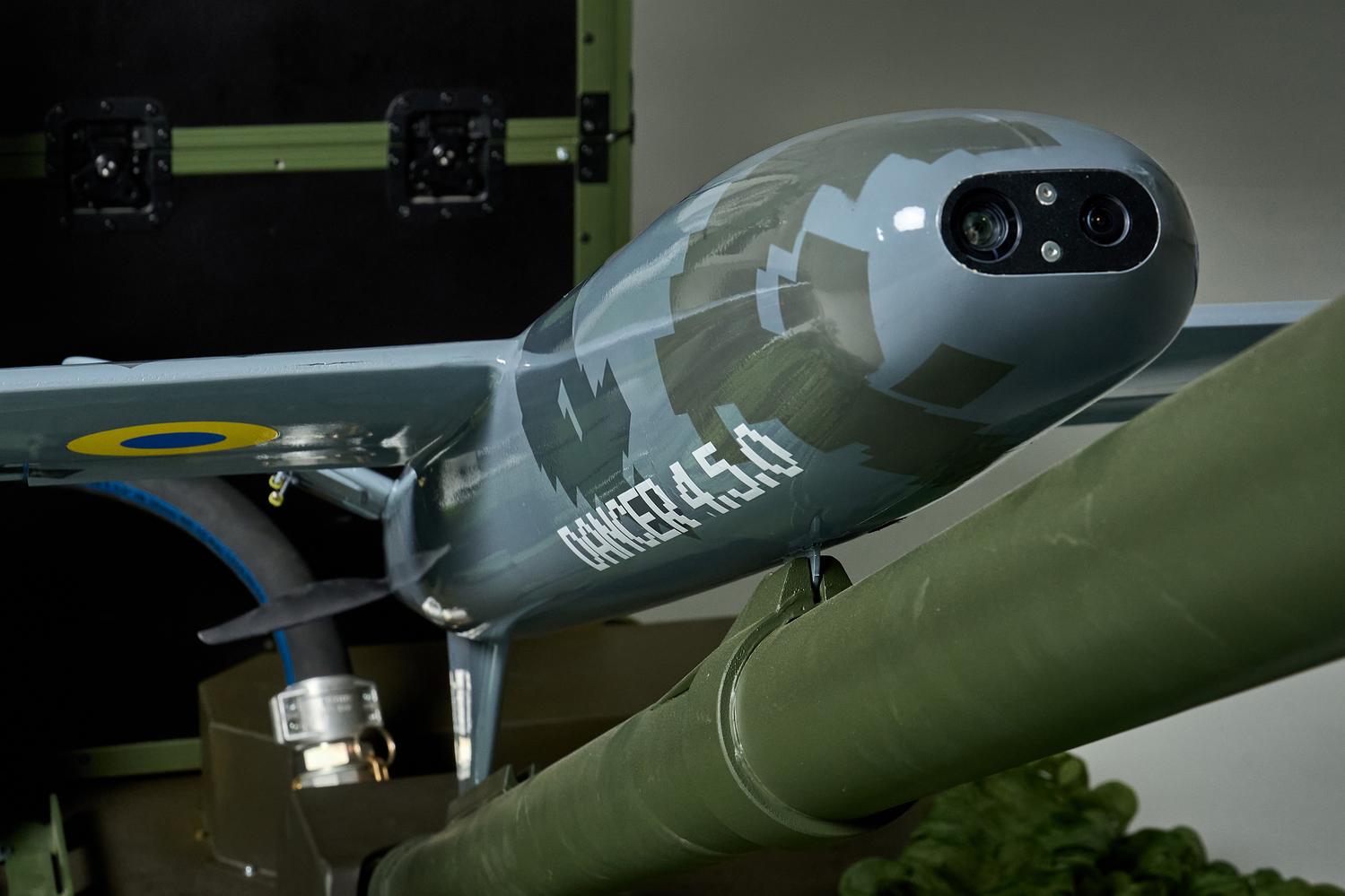
Ukraine Unveils Dancer 4.5.0 Interceptor Drone Capable of Reaching Speeds Up to 450 km/h
Ukraine has introduced its latest advancement in counter-drone technology with the unveiling of the Dancer 4.5.0, a high-speed interceptor drone designed to neutralize enemy unmanned aerial vehicles. The new system represents a significant leap forward in Ukraine’s domestic defense capabilities, featuring artificial intelligence-powered autonomous targeting that allows the drone to independently track and engage hostile targets without constant operator intervention. With a maximum speed of up to 450 kilometers per hour, the Dancer 4.5.0 positions itself among the fastest interceptor drones currently in operational use worldwide.
The integration of artificial intelligence into the Dancer’s guidance system marks a crucial evolution in modern drone warfare. Traditional interceptor drones typically require continuous manual control from ground operators, creating vulnerabilities in communication links and response times. The AI-enabled self-guidance capability of the Dancer 4.5.0 allows the system to lock onto targets and make real-time adjustments to its flight path autonomously, significantly reducing the window of opportunity for enemy drones to evade interception. This technological advancement addresses one of the most pressing challenges facing Ukrainian air defense: the constant threat of Russian reconnaissance and attack drones penetrating Ukrainian airspace.
The development of the Dancer series reflects Ukraine’s remarkable transformation into a leading innovator in drone technology since the full-scale Russian invasion began in February 2022. Faced with the urgent need to counter Russia’s extensive use of Iranian-designed Shahed kamikaze drones and various reconnaissance UAVs, Ukrainian engineers and defense companies have accelerated their research and development efforts at an unprecedented pace. The country has effectively become a real-world testing ground for cutting-edge drone technologies, with lessons learned on the battlefield being rapidly incorporated into new designs and systems.
Counter-drone warfare has emerged as one of the most critical aspects of modern military operations, with both sides in the Ukrainian conflict deploying thousands of unmanned systems for reconnaissance, artillery spotting, and direct attacks on military and civilian infrastructure. The Shahed drones, in particular, have posed a significant threat to Ukrainian cities and critical infrastructure, prompting intensive efforts to develop cost-effective interception solutions. Traditional anti-aircraft missiles, while effective, are often prohibitively expensive compared to the relatively cheap drones they target, creating an unfavorable cost-exchange ratio that favors the attacker.
The Dancer 4.5.0’s impressive speed specifications give it a decisive advantage in pursuit scenarios. Most commercial and military reconnaissance drones operate at speeds between 50 and 150 kilometers per hour, while even faster attack drones like the Shahed typically cruise at around 180 kilometers per hour. With its 450 km/h capability, the Dancer can rapidly close the distance to its target, providing defenders with a much larger engagement envelope and reducing the time available for attackers to complete their missions. This speed advantage is particularly valuable when defending against swarm attacks, where multiple drones approach a target simultaneously from different directions.
Ukrainian defense experts have emphasized that domestically produced systems like the Dancer represent not only tactical advantages but also strategic independence. Relying on imported defense systems creates supply chain vulnerabilities and dependencies on foreign governments’ decisions. By developing indigenous capabilities, Ukraine ensures a more reliable and sustainable defense posture. The country’s drone industry has attracted significant attention from international defense analysts and potential partners, with some Western nations expressing interest in Ukrainian innovations that have been proven effective under actual combat conditions.
The unveiling of the Dancer 4.5.0 comes amid broader efforts by Ukraine to establish a comprehensive layered air defense network that combines traditional anti-aircraft systems with modern drone interceptors, electronic warfare capabilities, and mobile air defense units. This integrated approach aims to create overlapping defensive zones that can address threats across the entire spectrum of aerial attacks, from low-flying cruise missiles to small commercial drones modified for military purposes. As drone technology continues to evolve rapidly, systems like the Dancer 4.5.0 demonstrate Ukraine’s commitment to staying at the forefront of this critical domain of modern warfare, turning the harsh lessons of conflict into technological innovations that may shape the future of air defense globally.