
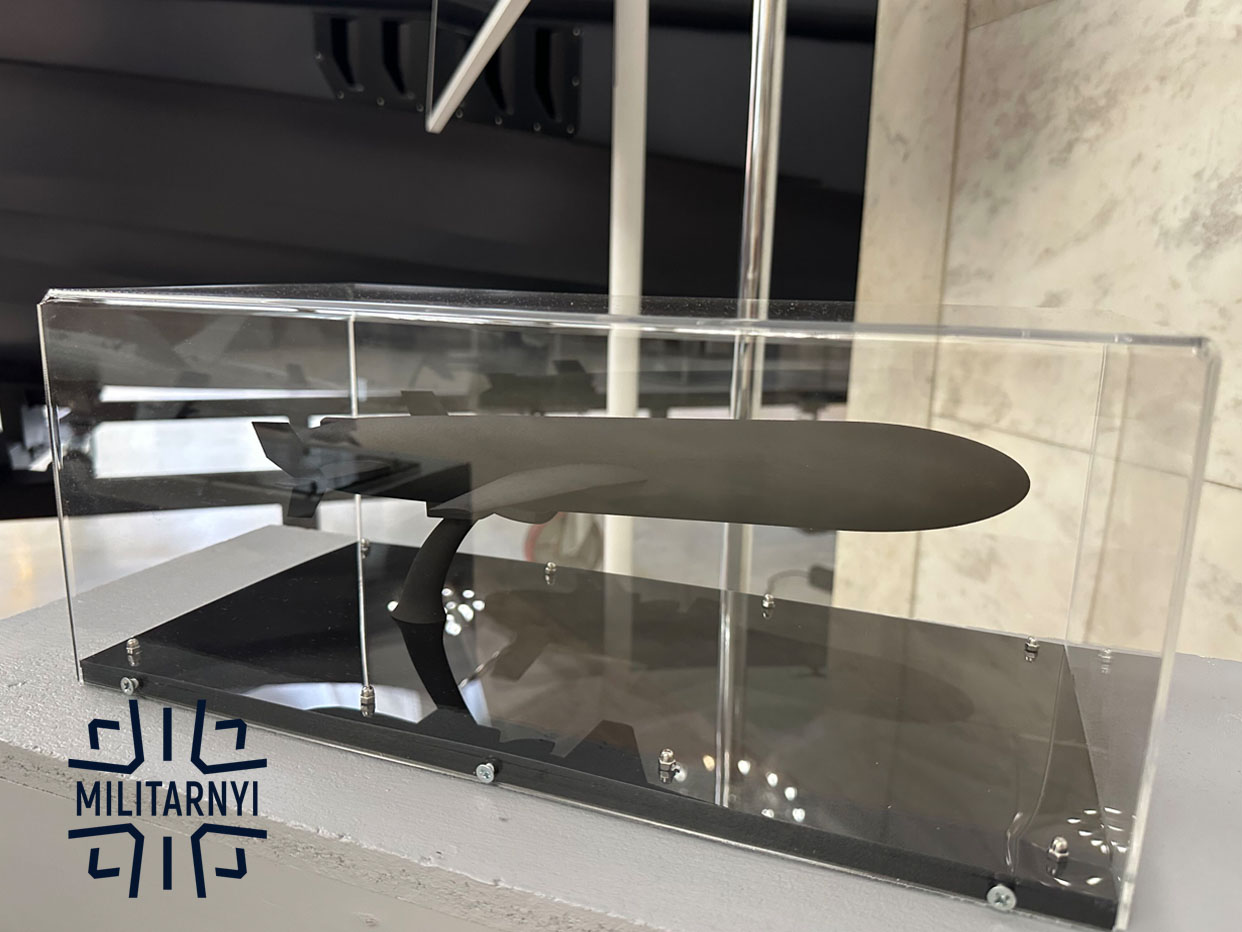
Ukraine’s Areion Missile-Drone with 600km Range to Launch from Neptune Systems
Ukraine continues to expand its domestic arsenal of long-range strike weapons as the state-owned Luch Design Bureau develops the Areion, a hybrid missile-drone system capable of striking targets at distances of up to 600 kilometers. This new weapon represents a significant advancement in Ukrainian military technology and demonstrates the country’s growing capability to develop sophisticated precision-strike systems despite the ongoing conflict with Russia.
The Areion system is designed to be launched from existing Neptune coastal defense missile platforms, a strategic decision that allows Ukraine to leverage its current military infrastructure without requiring entirely new launch systems. This integration approach significantly reduces deployment time and costs while maximizing the utility of Ukraine’s existing military assets. The Neptune system, which gained international recognition for reportedly striking the Russian cruiser Moskva in April 2022, provides a proven and reliable launch platform for the new hybrid weapon.
The hybrid nature of the Areion sets it apart from conventional cruise missiles. Combining characteristics of both missiles and unmanned aerial vehicles, this weapon system can potentially loiter over target areas, conduct reconnaissance, and execute precision strikes with greater flexibility than traditional missiles. Such loitering munitions have become increasingly important in modern warfare, as demonstrated extensively during the ongoing conflict in Ukraine, where both sides have employed various drone and missile technologies to devastating effect.
The Luch Design Bureau, officially known as the State Kyiv Design Bureau Luch, has been at the forefront of Ukrainian missile development for decades. Established during the Soviet era, the bureau has successfully transitioned to developing indigenous Ukrainian weapons systems, including the Neptune anti-ship missile and various guided missile systems. The organization has significantly accelerated its development programs since 2014, when Russia’s annexation of Crimea and the conflict in eastern Ukraine highlighted the need for domestic weapons production capabilities.
The 600-kilometer range of the Areion would give Ukrainian forces the ability to strike deep into Russian-occupied territory and potentially reach military installations, logistics hubs, and command centers far from the front lines. This extended range capability addresses a critical gap in Ukraine’s strike arsenal, as many of its current systems have more limited reach. Western-supplied weapons such as ATACMS missiles and Storm Shadow cruise missiles have provided some long-range capability, but domestically produced systems offer greater sustainability and independence from foreign supply chains.
Military analysts note that Ukraine’s investment in indigenous long-range strike capabilities reflects lessons learned during the current conflict. The ability to produce weapons domestically provides strategic advantages, including reduced vulnerability to supply disruptions and the flexibility to scale production according to operational needs. Furthermore, Ukrainian-designed systems can be specifically tailored to the country’s military requirements and integrated seamlessly with existing command and control infrastructure.
The development of the Areion also fits into a broader pattern of Ukrainian military innovation during wartime. Despite facing a numerically superior adversary, Ukraine has demonstrated remarkable ingenuity in developing and deploying new weapons systems, from maritime drones that have challenged Russian naval dominance in the Black Sea to long-range strike drones capable of reaching targets deep inside Russian territory. The Areion represents the next evolution in this ongoing effort to develop asymmetric capabilities that can offset Russia’s conventional military advantages.
As Ukraine continues to develop its defense industrial base, projects like the Areion signal the country’s determination to achieve greater military self-sufficiency. While the exact timeline for deployment remains unclear, the integration with existing Neptune launch systems suggests that the weapon could potentially enter service relatively quickly once development is complete. This would provide Ukrainian forces with an additional tool for conducting precision strikes against high-value targets at extended ranges, further complicating Russian military planning and force deployment.