
“Be My Eyes”: How People with Disabilities in Ukraine Are Embracing Technology to Navigate Daily Life
The devastating impact of Russia’s full-scale invasion of Ukraine extends far beyond the battlefield, fundamentally reshaping the country’s demographic landscape in ways that will resonate for generations. Over the first three years of the full-scale war, the number of people with disabilities in Ukraine has increased by a staggering 21 percent, reaching approximately 3.4 million individuals. This surge represents one of the most significant humanitarian challenges facing the nation, as wounded veterans, civilians injured in missile strikes, and those suffering from conflict-related trauma join the ranks of Ukrainians requiring accessibility support and adaptive technologies to maintain their independence.
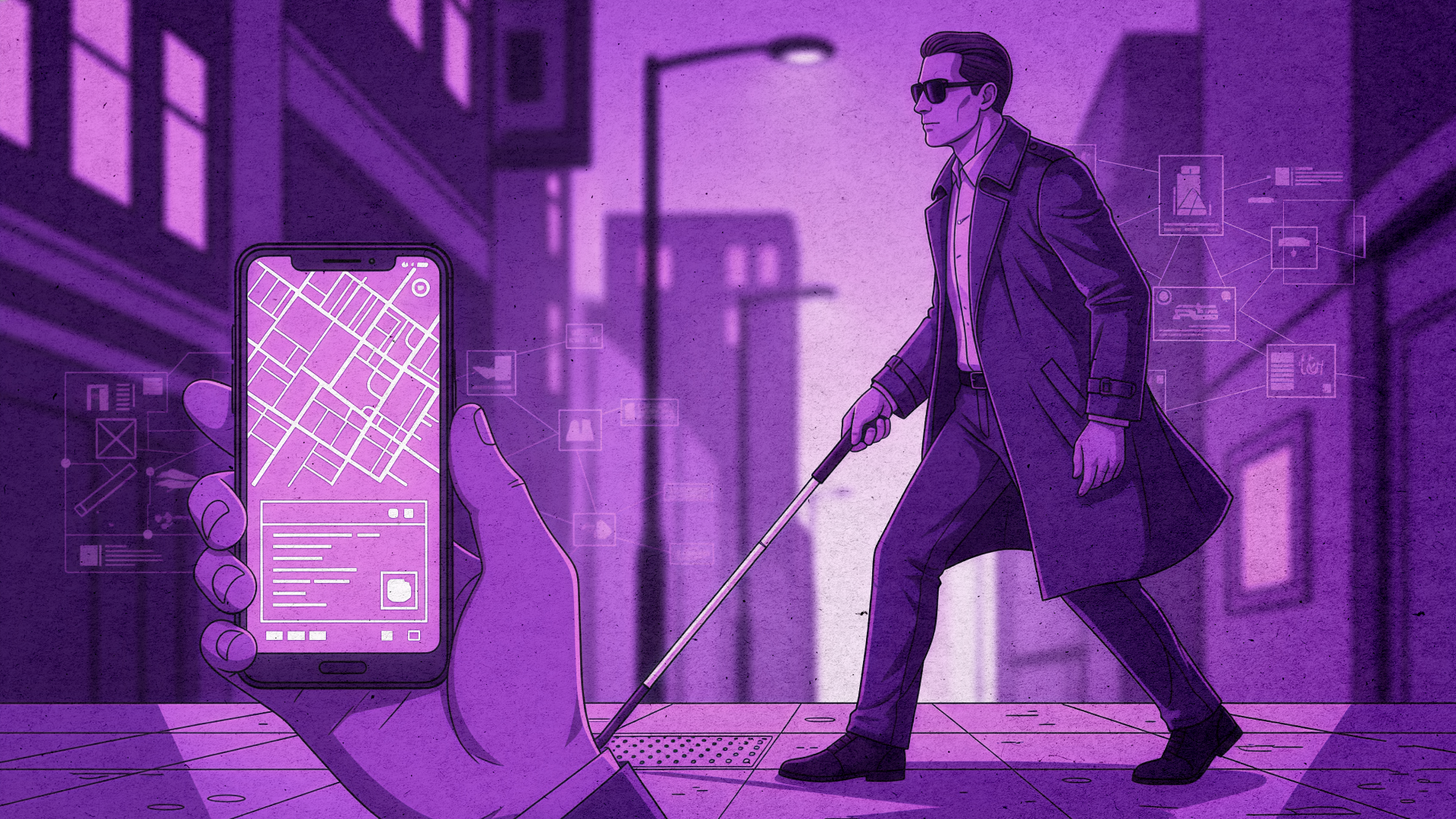
The rapid growth in disability rates has accelerated demand for assistive technologies and digital solutions that can help people navigate daily challenges. Applications like “Be My Eyes” have become essential tools for visually impaired Ukrainians, connecting them with sighted volunteers worldwide who can assist with tasks ranging from reading medication labels to navigating unfamiliar environments. The app, which launched globally in 2015, has seen a marked increase in Ukrainian users since 2022, reflecting both the growing need and the remarkable resilience of communities adapting to new realities.
Ukraine’s tech sector, renowned for its innovation and adaptability even before the war, has responded to this crisis with characteristic determination. Local developers have created Ukrainian-language accessibility features, navigation aids for those with mobility impairments, and communication tools for people with hearing disabilities. The government has also expanded its digital services platform, Diia, to include accessibility features that allow people with various disabilities to access government services, apply for benefits, and manage documentation without the physical barriers that traditional bureaucracy often presents. These digital solutions have proven particularly vital in a country where infrastructure damage has made physical access to services increasingly difficult.
The international community has played a crucial role in supporting Ukraine’s disability technology ecosystem. Organizations including the World Health Organization, UNICEF, and various NGOs have provided funding for prosthetics, hearing aids, and wheelchairs, while tech companies have donated software licenses and hardware. The Be My Eyes application, developed by a Danish startup, exemplifies this global solidarity – its network of more than six million volunteers speaks dozens of languages, including Ukrainian, ensuring that users can receive assistance in their native tongue regardless of where their volunteer helper is located.
Historical context reveals that Ukraine’s disability support infrastructure was already strained before the war began. Under Soviet rule, people with disabilities were often institutionalized and hidden from public view, a legacy that post-independence governments worked to overcome but never fully addressed. Accessibility standards lagged behind Western European norms, and social stigma remained a significant barrier to inclusion. The war has paradoxically accelerated some reforms, as the sheer number of newly disabled veterans – many of them young, educated, and politically engaged – has forced society and government to confront accessibility issues with unprecedented urgency.
Mental health disabilities represent a growing but often invisible component of these statistics. Post-traumatic stress disorder, depression, and anxiety affect millions of Ukrainians who have experienced bombardment, displacement, or the loss of loved ones. Digital mental health platforms have emerged to address this crisis, offering therapy sessions, peer support groups, and crisis intervention services through smartphone applications. These tools have proven especially valuable in rural areas and frontline regions where traditional mental health services are scarce or nonexistent, though experts caution that technology cannot fully replace in-person care.
Looking ahead, Ukraine faces the monumental task of building an inclusive society while simultaneously fighting for its survival. Rehabilitation centers are working at capacity to help amputees regain mobility, while schools are adapting to accommodate children with war-related disabilities. The integration of advanced technologies – from AI-powered prosthetics to smart home systems that allow people with severe disabilities to live independently – offers hope for a future where disability need not mean dependence. As Ukraine continues to defend its sovereignty, the country is simultaneously pioneering approaches to disability inclusion that may serve as models for other conflict-affected nations around the world.