
Convenient for Humans, Uncomfortable for Pets: The Hidden Risks of Popular Gadgets for Cats and Dogs
The pet technology market has exploded in recent years, with smart feeders, automated toys, and high-tech monitoring devices promising to make pet ownership easier than ever before. However, animal behavior specialists are sounding the alarm about a troubling trend: many of these popular gadgets, while convenient for busy pet owners, may actually be causing stress, anxiety, and even physical harm to the animals they’re designed to help. As consumers increasingly turn to technology-based solutions for pet care, experts urge a more critical examination of whether these devices truly serve our furry companions’ best interests.
The global pet tech market, valued at over $5 billion and growing rapidly, has introduced countless innovations ranging from automatic feeders and GPS collars to interactive cameras and robotic playmates. The COVID-19 pandemic accelerated this trend dramatically, as pet adoptions surged and owners sought ways to monitor and care for their animals remotely upon returning to offices. Yet veterinary behaviorists and zoopsychologists point out that convenience for humans doesn’t automatically translate to comfort for animals, whose sensory experiences and psychological needs differ fundamentally from our own.
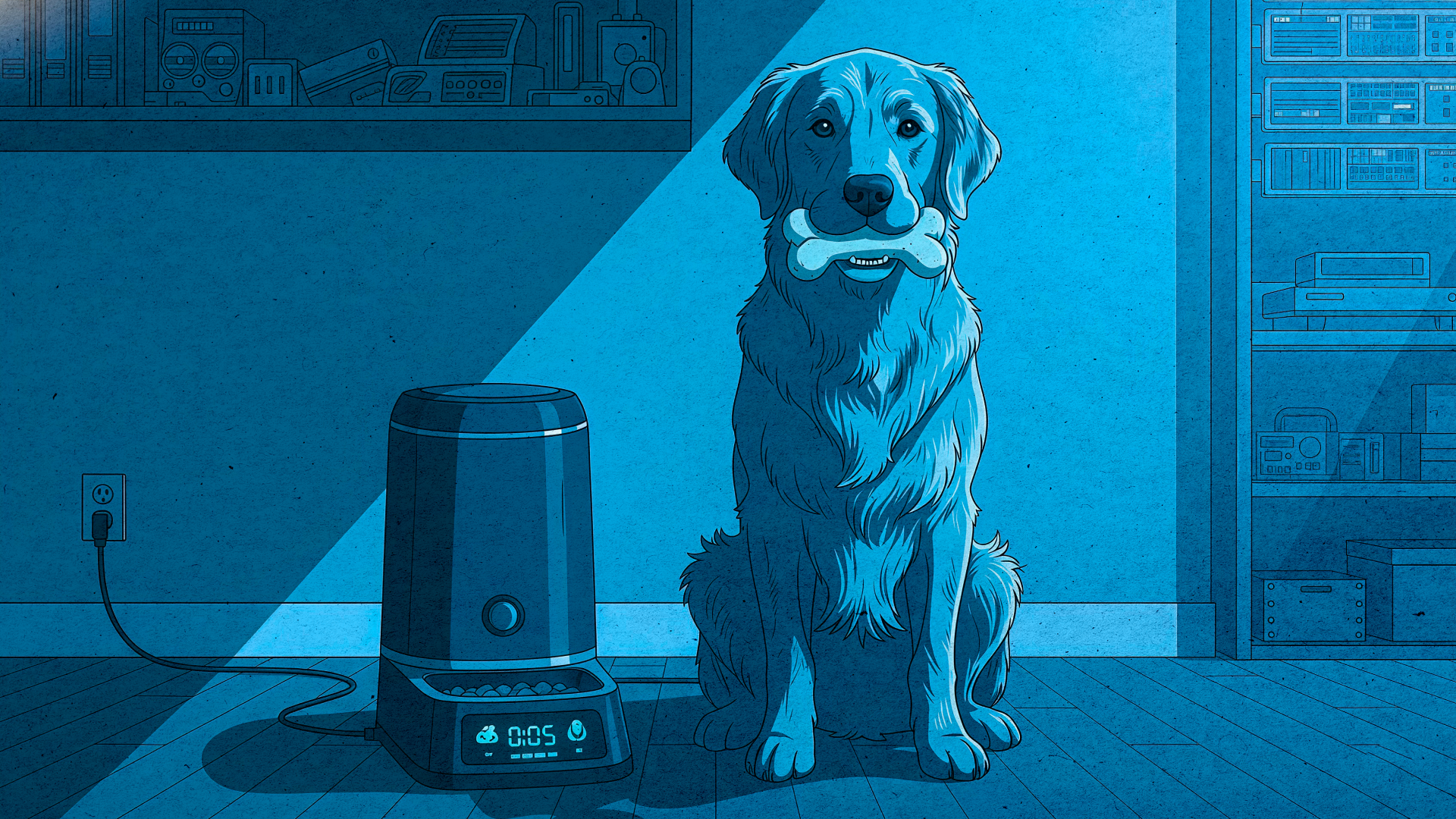
Automatic feeders represent one of the most popular categories of pet technology, but experts warn these devices can create unexpected problems. Many automatic feeders produce mechanical sounds – clicking, whirring, or buzzing – that may seem insignificant to human ears but can be deeply unsettling for animals with far more sensitive hearing. Dogs can hear frequencies up to 65,000 Hz compared to humans’ 20,000 Hz limit, while cats possess even more acute auditory capabilities. The sudden, unpredictable noises from these devices can trigger anxiety responses, causing some pets to become fearful of their own food bowls. Additionally, the impersonal nature of automated feeding removes the important bonding ritual that occurs during meal times, potentially weakening the human-animal relationship that is crucial for pets’ emotional wellbeing.
Interactive and robotic toys present another category of concern among animal behavior specialists. While these gadgets promise to keep pets entertained during owners’ absences, many fail to account for natural play behaviors. Cats, for instance, are hardwired for the hunt-catch-kill-eat sequence, and toys that move erratically without ever allowing the cat to ‘win’ can lead to chronic frustration. Laser pointers, enormously popular among cat owners, exemplify this problem perfectly – the cat can never actually catch the red dot, potentially causing obsessive behaviors and psychological distress. Similarly, robotic toys that move unpredictably may overstimulate some animals while completely failing to engage others, depending on individual temperament and past experiences.
The materials used in many pet gadgets also raise safety concerns that manufacturers rarely address adequately. Cheap electronic toys may contain batteries that pose choking or poisoning hazards, plastic components that can splinter when chewed, or small parts that can be ingested. Unlike children’s toys, pet products face far less regulatory scrutiny regarding safety standards. Zoopsychologists recommend that owners carefully examine any electronic toy for potential hazards and always supervise play sessions with new devices. Traditional toys made from natural materials – rope, cotton, or solid rubber – often prove safer and more satisfying for animals’ innate chewing and playing instincts.
GPS collars and tracking devices, while potentially lifesaving for escape-prone pets, come with their own set of considerations. These devices add weight to collars, which can cause neck strain in smaller animals or irritation from the additional bulk. Some GPS units emit electromagnetic frequencies that, while generally considered safe, may affect sensitive animals differently. Battery life limitations mean these devices require regular charging, and the removal and reattachment of collars can disrupt routines for animals that find comfort in consistency. Behaviorists suggest that while tracking technology has legitimate safety applications, owners should ensure devices are appropriately sized and weighted for their specific pet, and that the animal shows no signs of discomfort when wearing them.
Pet cameras with two-way audio and treat-dispensing capabilities have become particularly popular among owners experiencing separation anxiety about leaving their pets alone. However, these devices can actually exacerbate separation anxiety in animals. Hearing their owner’s voice suddenly emanating from a strange object, without the accompanying physical presence, can confuse and distress pets rather than comfort them. The unpredictable dispensing of treats can also create obsessive behaviors, with animals fixating on the device rather than settling into calm, independent rest. Animal behaviorists generally recommend against using voice features with anxious pets and suggest that treat dispensing follow predictable schedules if used at all.
The broader issue, experts emphasize, lies in the fundamental mismatch between human-centered design principles and animal welfare considerations. Technology developers typically prioritize features that appeal to human purchasers – smartphone connectivity, sleek aesthetics, and automation – rather than conducting thorough research into how animals actually experience these products. Zoopsychologists advocate for a return to basics in many cases, noting that a simple puzzle feeder, a cardboard box, or dedicated playtime with their owner often provides cats and dogs with more enrichment than the most sophisticated electronic gadget. The key recommendation from animal behavior specialists is clear: before purchasing any pet technology, owners should research potential behavioral impacts, introduce new devices gradually while monitoring their pet’s response, and remain willing to abandon any gadget that causes visible stress or discomfort, regardless of its cost or convenience.