
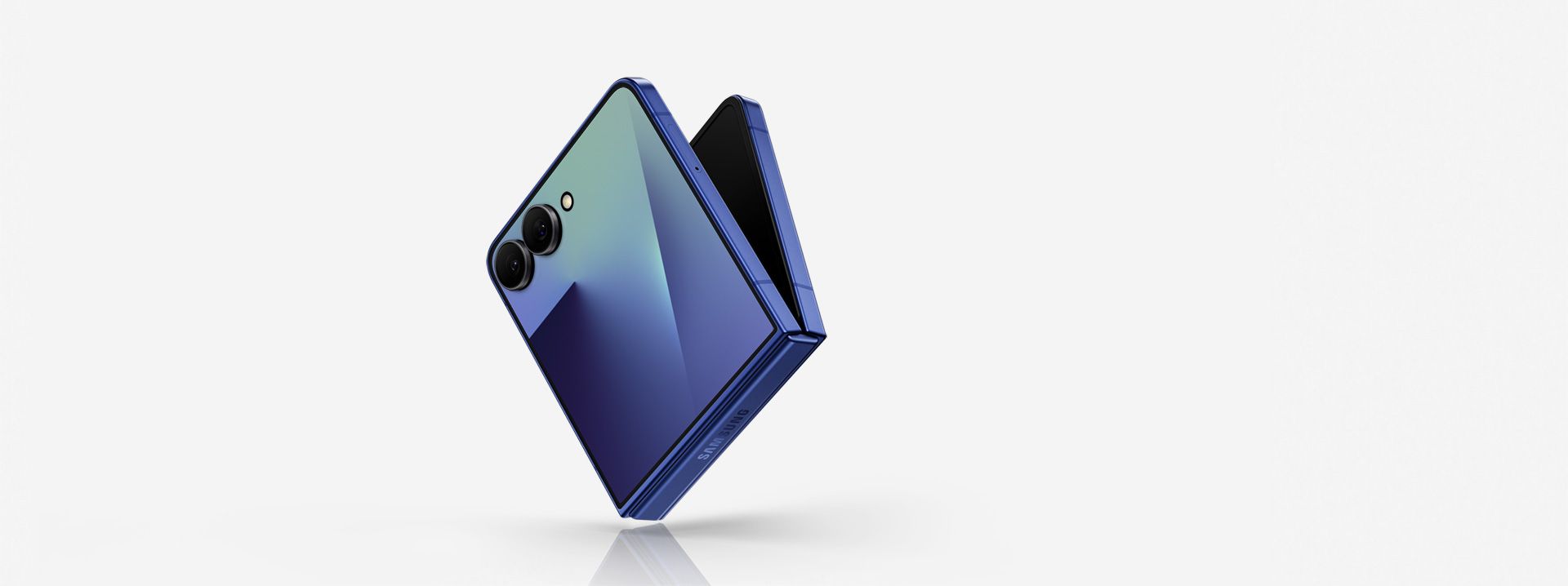
Samsung Galaxy Flip 8 Appears in FCC Database Ahead of Official Announcement: Key Details Revealed
Samsung’s upcoming foldable smartphone, the Galaxy Flip 8, has made its first official appearance in the Federal Communications Commission (FCC) database, signaling that the device’s launch is imminent. This regulatory filing, which is a mandatory step before any wireless device can be sold in the United States, provides crucial insights into the technical specifications and regional variants of Samsung’s next-generation clamshell foldable. The FCC certification typically occurs just weeks before a product’s official unveiling, suggesting that Samsung may be preparing for a summer announcement.
According to the documentation uncovered in the FCC filing, the Galaxy Flip 8 will feature different processor configurations depending on the market. European and South Korean variants of the device will be powered by Samsung’s own Exynos 2600 chipset, marking a significant development in the company’s semiconductor strategy. This regional differentiation in processor selection has become a hallmark of Samsung’s flagship releases in recent years, with the company often reserving its Exynos chips for certain markets while equipping other regions with Qualcomm Snapdragon processors.
The Exynos 2600 represents Samsung’s latest attempt to compete with Qualcomm’s dominant Snapdragon series in the premium smartphone segment. Built on a cutting-edge manufacturing process, the new chipset is expected to deliver substantial improvements in both performance and energy efficiency compared to its predecessors. Samsung has faced criticism in the past for perceived performance gaps between Exynos and Snapdragon variants of the same phone, and the company appears determined to close this gap with its newest silicon. Industry analysts suggest that the Exynos 2600 may feature a completely redesigned CPU architecture and an upgraded GPU that could finally match or exceed Qualcomm’s offerings.
The foldable smartphone market has experienced remarkable growth since Samsung first introduced the Galaxy Fold in 2019. The Galaxy Flip series, which debuted in 2020 with its compact clamshell design reminiscent of classic flip phones, has become particularly popular among consumers seeking a more portable form factor. Unlike the larger Galaxy Fold devices that unfold into tablet-sized screens, the Flip series folds vertically, allowing users to carry a full-sized smartphone that fits easily in a pocket. This design philosophy has resonated especially well with younger demographics and fashion-conscious consumers who appreciate both the nostalgia factor and the practical benefits of the compact form.
Samsung’s decision to use the Exynos 2600 in European and South Korean markets reflects the company’s broader strategic goals for its semiconductor division. By ensuring that its most advanced chips power flagship devices in major markets, Samsung can demonstrate the capabilities of its chip-making business to potential enterprise customers and investors. The semiconductor industry has become increasingly competitive, with companies like Apple designing their own custom silicon and Chinese manufacturers rapidly advancing their capabilities. For Samsung, the success of the Exynos 2600 in consumer devices serves as both a proof of concept and a marketing tool for its foundry services.
The timing of the FCC certification suggests that Samsung may announce the Galaxy Flip 8 at its traditional summer Unpacked event, which has historically taken place in July or August. Previous Galaxy Flip models have been unveiled alongside the Galaxy Fold series and other devices during these high-profile launch events. Industry insiders expect Samsung to introduce several improvements beyond just the processor, potentially including enhanced camera systems, improved hinge durability, larger cover displays, and better battery life. The foldable display technology itself has matured significantly since the early days, with modern foldables featuring nearly invisible creases and dramatically improved durability ratings.
As competition in the foldable segment intensifies with entries from Motorola, Google, and various Chinese manufacturers including Huawei, Oppo, and Honor, Samsung faces increasing pressure to innovate while maintaining its market leadership position. The Galaxy Flip 8 represents not just an incremental update but a statement of Samsung’s continued commitment to the foldable form factor. With the FCC approval now secured, consumers and tech enthusiasts alike are eagerly awaiting the official announcement that will reveal the full specifications, pricing, and availability of what promises to be one of the most anticipated smartphones of the year.