
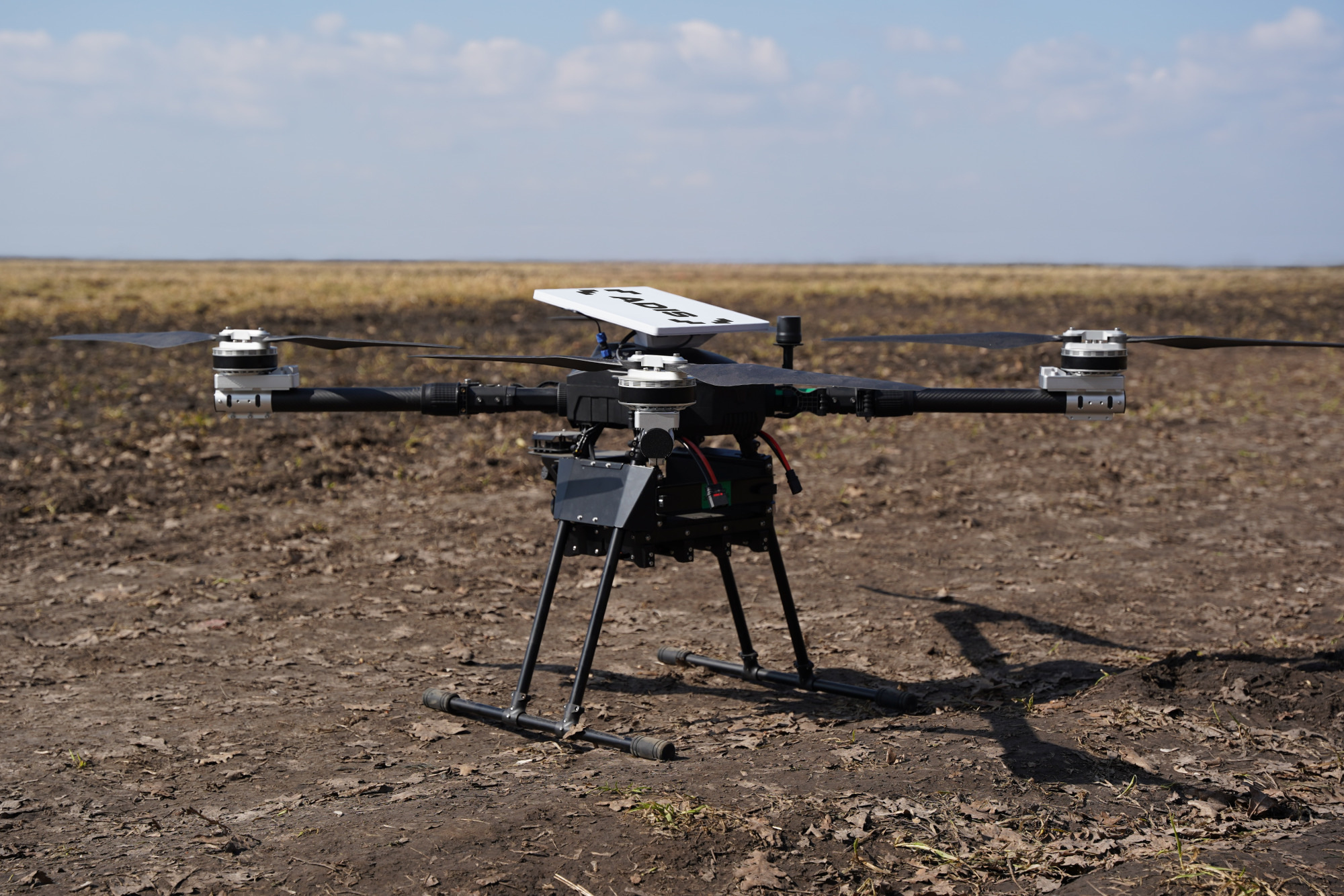
Ukraine Develops Heavy Combat Drone ‘Adis’ with 50km Range and Satellite Communication
Ukrainian defense engineers have unveiled a new heavy unmanned aerial vehicle named Adis, capable of striking targets up to 50 kilometers away while maintaining secure satellite communication links. The drone represents another significant advancement in Ukraine’s rapidly evolving domestic defense industry, which has become increasingly crucial as the country continues to defend itself against Russian aggression. The Adis system joins a growing arsenal of Ukrainian-made unmanned platforms that have proven highly effective in modern warfare conditions.
The drone bears a deeply meaningful name, honoring a fallen warrior from Ukraine’s 72nd Mechanized Brigade who made the ultimate sacrifice defending his homeland. This practice of naming military equipment after fallen heroes has become a significant tradition in Ukraine’s armed forces, serving both as a memorial and as a source of inspiration for troops operating these systems in combat. The 72nd Mechanized Brigade, formally known as the 72nd Separate Mechanized Brigade named after the Black Zaporozhians, has been actively engaged in combat operations since the beginning of the full-scale invasion and has earned numerous commendations for its combat effectiveness.
The technical specifications of the Adis drone reflect Ukraine’s growing sophistication in unmanned aerial systems development. The 50-kilometer operational range places this UAV in the category of medium-range tactical platforms, capable of reaching deep behind enemy lines to strike command posts, logistics hubs, ammunition depots, and other high-value targets. The incorporation of satellite communication technology is particularly noteworthy, as it allows operators to maintain control of the drone even in heavily contested electromagnetic environments where traditional radio links might be jammed or disrupted by Russian electronic warfare systems.
Ukraine’s drone warfare capabilities have undergone a remarkable transformation since the conflict began in 2014, and especially since the full-scale invasion commenced in February 2022. What started as a reliance on imported systems and commercial off-the-shelf drones has evolved into a sophisticated domestic production ecosystem. Ukrainian companies and volunteer engineering groups have developed everything from small reconnaissance quadcopters to long-range strike platforms capable of reaching targets deep within Russian territory. The government has actively supported this development through funding programs and streamlined procurement processes that allow promising designs to move quickly from prototype to frontline deployment.
The heavy classification of the Adis drone suggests it is designed to carry substantial payloads, likely including various munitions or intelligence-gathering equipment. Heavy drones in this category typically weigh between 20 and 100 kilograms and can deliver explosive payloads ranging from modified mortar rounds to purpose-built warheads. This capability fills an important tactical niche between smaller FPV kamikaze drones, which have become ubiquitous on the battlefield, and larger cruise missile systems that require more complex logistics and launch infrastructure.
Satellite communication integration represents a significant technological leap for Ukrainian drone systems. Traditional line-of-sight radio control limits operational range and makes drones vulnerable to electronic countermeasures. By utilizing satellite links, the Adis can operate beyond visual range and maintain connectivity even when flying at low altitudes behind terrain features or structures. This capability has become increasingly important as both sides in the conflict have deployed sophisticated electronic warfare systems that can jam GPS signals and disrupt conventional radio frequencies.
The development of advanced domestic weapons systems like the Adis has become a strategic priority for Ukraine, as the country seeks to reduce its dependence on foreign military aid while building a sustainable defense industrial base. Western partners have provided crucial support through weapons deliveries and financial assistance, but Ukrainian leaders recognize the importance of developing indigenous production capabilities. The country’s defense sector has attracted significant investment and technical talent, with numerous startups and established companies competing to deliver innovative solutions to the military. This drone ecosystem has proven particularly dynamic, with new systems regularly appearing and being rapidly iterated based on real-world combat feedback from frontline units.
As the conflict continues into its third year, unmanned systems have become perhaps the most transformative element of modern warfare to emerge from the battlefield. Both sides now deploy thousands of drones daily for reconnaissance, artillery spotting, direct attack missions, and logistical support. Ukraine’s ability to develop and produce sophisticated systems like the Adis domestically provides a crucial advantage in what has become an attritional conflict where production capacity and technological innovation can prove decisive. The naming of this system after a fallen soldier ensures that those who made sacrifices are remembered while simultaneously providing their comrades with the tools needed to continue the fight.