
Ukraine Receives First British Artillery Barrel Blanks in Major Defense Industry Collaboration
In a significant development for Ukraine’s domestic defense manufacturing capabilities, the country has received its first shipment of artillery barrel blanks from the United Kingdom. The initial delivery consists of four barrel blanks designed for 105mm and 155mm artillery systems, sent as prototype samples to assess quality and compatibility with Ukrainian production facilities. This transfer marks an important milestone in the deepening military-industrial cooperation between Kyiv and London, as Ukraine continues to build its indigenous weapons manufacturing capacity amid the ongoing conflict with Russia.
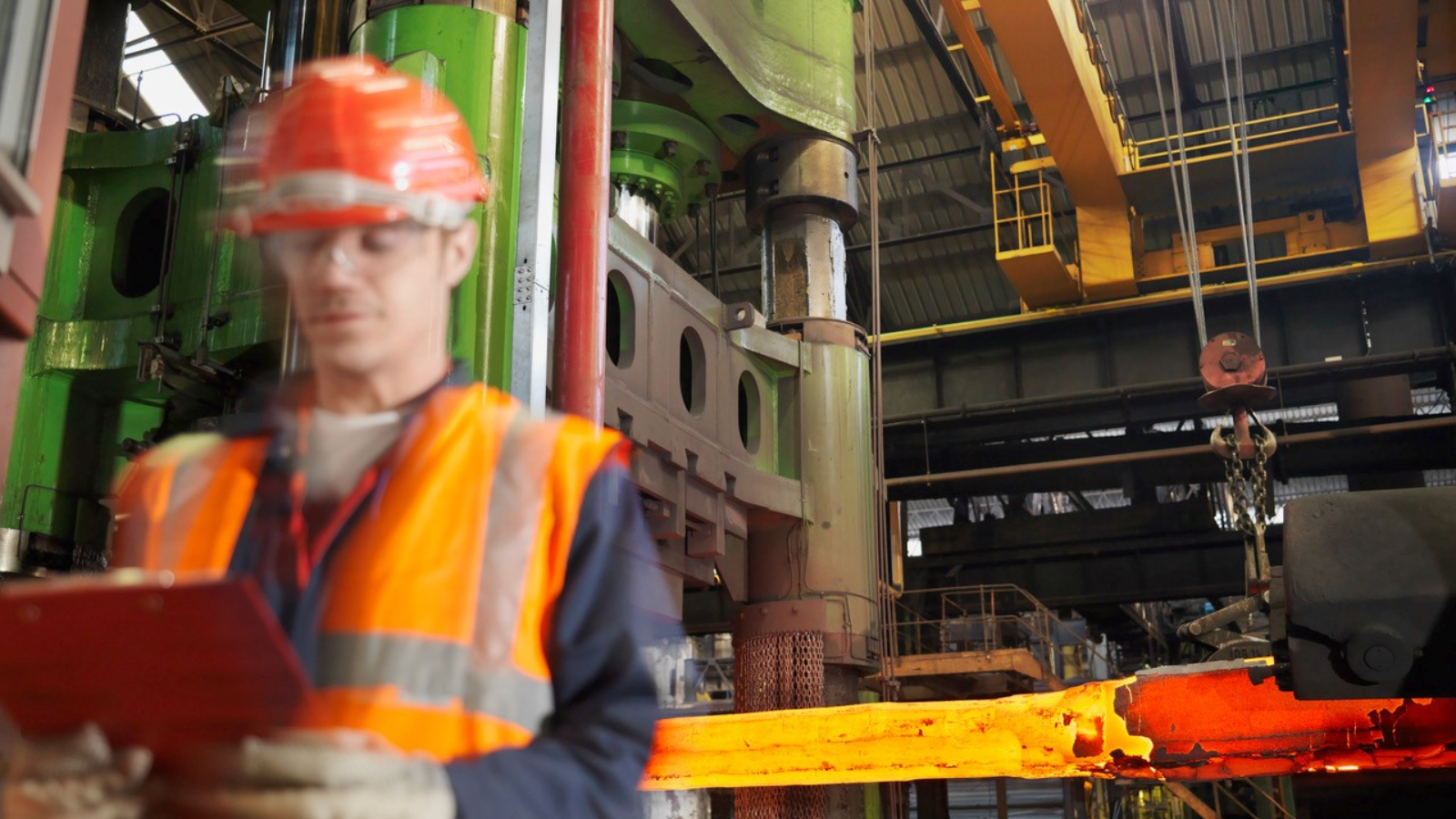
The barrel blanks represent a critical component in artillery production that requires specialized metallurgical expertise and precision manufacturing. Artillery barrels must withstand extreme pressures and temperatures during firing, requiring high-grade steel alloys and exacting production standards. By supplying these semi-finished components, British manufacturers are enabling Ukrainian factories to complete the final machining and rifling processes domestically, effectively creating a hybrid production model that leverages the strengths of both nations’ industrial bases.
This collaboration comes as part of the United Kingdom’s broader commitment to supporting Ukraine’s long-term defense needs. Since the beginning of Russia’s full-scale invasion in February 2022, the UK has been among the most active Western supporters of Ukraine, providing advanced weapons systems including Storm Shadow cruise missiles, Challenger 2 tanks, and thousands of anti-tank missiles. The shift toward supplying manufacturing components rather than just finished weapons represents an evolution in Western strategy, aimed at helping Ukraine develop sustainable domestic production capabilities that will reduce dependence on external supplies.
The 155mm caliber is particularly significant as it represents the NATO standard for heavy artillery, used by systems such as the American M777 howitzer and the German PzH 2000 self-propelled gun. Ukraine has received substantial quantities of these weapons from Western allies, but maintaining them requires a steady supply of barrels, which wear out after firing several thousand rounds. The 105mm caliber, while lighter, remains valuable for more mobile operations and is used in various towed and self-propelled artillery systems currently in Ukrainian service.
Artillery has proven to be the dominant factor in the Ukraine conflict, with both sides firing thousands of rounds daily along the extensive front lines. This unprecedented rate of fire has created enormous demand for ammunition and has accelerated barrel wear to levels not seen since World War II. Western defense industries, which had scaled down production during the post-Cold War period, have struggled to meet Ukraine’s voracious appetite for artillery supplies. The European Union has committed to producing one million artillery shells annually for Ukraine, while individual nations have ramped up their own production facilities.
Ukraine’s own defense industry, which inherited significant Soviet-era manufacturing capabilities, has been working to expand and modernize under wartime conditions. Despite Russian missile and drone attacks targeting industrial facilities, Ukrainian factories have continued producing and repairing military equipment. The country has demonstrated remarkable innovation, developing indigenous drone systems and adapting existing weapons platforms for modern warfare. Receiving barrel blanks from the UK allows Ukrainian manufacturers to focus on final production stages while building expertise that could eventually lead to fully domestic barrel production.
Defense industry analysts view this transfer as part of a broader Western strategy to build Ukraine’s long-term military sustainability. Rather than creating permanent dependence on Western weapons supplies, the approach aims to establish Ukraine as a capable defense manufacturer in its own right. This serves multiple strategic purposes: it reduces the logistical burden on Western suppliers, creates jobs and technical expertise in Ukraine, and ensures that the country can maintain its defensive capabilities regardless of future political changes in Western capitals. The British barrel blanks, while modest in quantity, represent the beginning of what could become a substantial industrial partnership that extends well beyond the current conflict.