
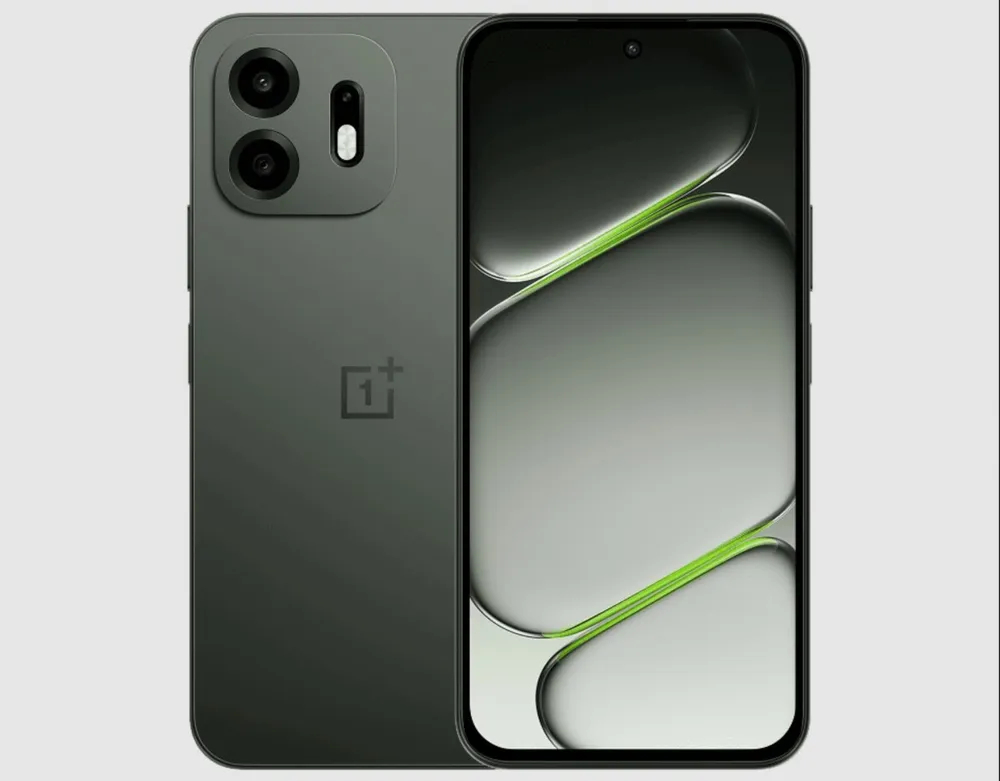
OnePlus Halts New Product Launches in US and Europe Amid Strategic Restructuring
Chinese smartphone manufacturer OnePlus has announced a significant strategic shift that will see the company suspend the release of new products in the United States and European markets. This unexpected decision marks a dramatic turn for a brand that once positioned itself as a disruptive force in the premium smartphone segment, challenging established players with its flagship killer philosophy of offering high-end specifications at competitive prices. The move comes as the global smartphone market continues to face headwinds from economic uncertainty, shifting consumer preferences, and intensifying competition from both premium and budget segments.
The company, which burst onto the scene in 2014 with its innovative invitation-only sales model and the tagline “Never Settle,” has struggled to maintain its market position in Western markets in recent years. OnePlus initially gained a cult following among tech enthusiasts who appreciated its stock Android experience, competitive pricing, and community-driven approach to product development. However, as the brand gradually moved upmarket with increasingly expensive flagship devices, it faced growing competition from established players like Samsung and Apple, as well as other Chinese manufacturers including Xiaomi and Realme that now occupy the value-conscious segment OnePlus once dominated.
Industry analysts suggest that several factors may have contributed to this strategic retreat. The US market has proven particularly challenging for Chinese smartphone brands due to ongoing geopolitical tensions, trade restrictions, and the absence of carrier partnerships that are crucial for smartphone sales in America. Unlike in many other markets where unlocked phones are common, approximately 70% of smartphone sales in the United States occur through carrier channels, putting brands without these relationships at a significant disadvantage. European markets, while more open to unlocked devices, have also become increasingly competitive with aggressive pricing from Samsung and the continued dominance of Apple in the premium segment.
In addition to pausing Western market expansion, OnePlus is reportedly planning to scale back its operations in India, a market that has historically been one of its strongest regions. India represents the world’s second-largest smartphone market by volume and has been a crucial growth engine for Chinese smartphone manufacturers. OnePlus carved out a unique position in India’s premium smartphone segment, often ranking among the top-selling brands in the above-$400 price category. The decision to reduce Indian operations suggests a broader corporate restructuring that goes beyond mere geographic realignment.
The parent company of OnePlus, BBK Electronics, operates a complex portfolio of smartphone brands including Oppo, Vivo, and Realme, all of which share various resources and technologies. This corporate structure has led to increasing overlap between OnePlus and Oppo in particular, with the two brands sharing software platforms, design elements, and even manufacturing facilities. Some industry observers speculate that BBK Electronics may be consolidating its brand strategy to reduce internal competition and operational redundancies, potentially positioning OnePlus as a more focused brand serving specific markets rather than attempting global expansion.
The global smartphone industry has undergone significant transformation since OnePlus’s founding. Market saturation in developed economies has led to longer replacement cycles, with consumers holding onto their devices for three to four years on average compared to the 18-24 month cycles common a decade ago. This shift has made customer acquisition more expensive and market share gains more difficult to achieve. Additionally, the COVID-19 pandemic accelerated certain market trends while disrupting supply chains, forcing many manufacturers to reassess their global strategies. Companies across the industry have been forced to make difficult decisions about which markets to prioritize given limited resources and uncertain demand.
For existing OnePlus customers in affected markets, questions remain about the future of software support, warranty services, and device availability. The company has not yet provided detailed information about how current users will be supported going forward, though historically OnePlus has maintained reasonable software update commitments for its devices. The announcement also raises questions about the fate of the OnePlus Nord line, which was specifically designed to recapture the brand’s original value proposition and had shown promise in European markets. As the company navigates this transition, loyal fans who have followed the brand since its early days are left wondering whether OnePlus can ever recapture the innovative spirit that once made it a favorite among smartphone enthusiasts seeking alternatives to mainstream options.