
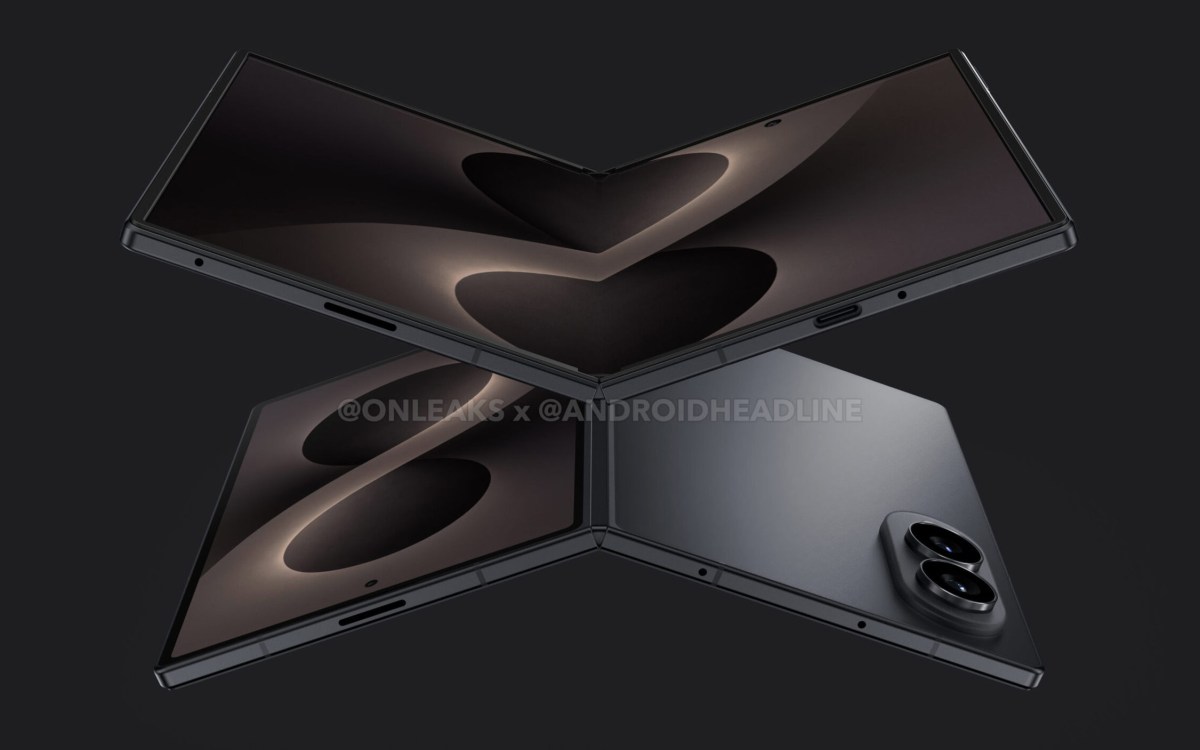
Samsung Poised to Release One of the Lightest Foldable Smartphones on the Market
The foldable smartphone market is about to witness a significant shift as new insider information suggests Samsung is preparing to launch what could be one of the lightest folding devices ever produced. According to recent leaks from industry sources, the South Korean tech giant is making substantial strides in reducing the weight of its upcoming foldable flagship, potentially addressing one of the most persistent criticisms of the form factor since its inception.
The insider, known for accurate predictions regarding Samsung’s product launches, revealed that the company has been working extensively on materials engineering and internal component optimization to achieve this breakthrough. While specific weight figures have not been confirmed, early reports suggest the device could weigh significantly less than its predecessors, the Galaxy Z Fold series, which have traditionally tipped the scales at around 263 grams – a figure that many consumers have found prohibitive for daily use.
This development comes at a crucial time for Samsung, which has dominated the foldable smartphone market since pioneering the category with the original Galaxy Fold in 2019. However, the company has faced increasing competition from Chinese manufacturers such as Honor, Huawei, and Xiaomi, who have been producing increasingly lighter and thinner folding devices. The Honor Magic V3, for instance, made headlines when it launched weighing just 226 grams, setting a new benchmark for the industry and putting pressure on Samsung to innovate further in this direction.
The engineering challenge of creating lightweight foldable devices cannot be understated. Unlike traditional smartphones, foldables require complex hinge mechanisms, dual battery configurations, and reinforced display panels that can withstand thousands of folding cycles. Samsung’s engineers have reportedly been experimenting with new aluminum alloys and carbon fiber composites for the device frame, while also reducing the thickness of internal components including the battery modules and display substrates. Industry analysts suggest that Samsung may have also achieved breakthroughs in hinge design, potentially utilizing titanium elements that offer superior strength-to-weight ratios.
The importance of weight reduction in foldable smartphones extends beyond mere convenience. Market research has consistently shown that weight is among the top three concerns preventing mainstream adoption of foldable devices, alongside durability worries and high price points. A 2024 consumer survey conducted by Counterpoint Research found that 67% of potential foldable buyers cited weight as a significant factor in their purchasing decision. By addressing this concern, Samsung could potentially unlock a much larger customer base that has been hesitant to embrace the folding form factor despite its productivity and multitasking advantages.
Samsung’s display division, Samsung Display, is believed to be playing a crucial role in this weight reduction effort. The company has been developing ultra-thin glass (UTG) technology that provides durability comparable to thicker materials while shaving precious grams from the overall device weight. Additionally, advances in OLED panel efficiency mean that displays can now operate with smaller battery capacities without sacrificing screen-on time, allowing for lighter battery cells to be incorporated into the design. These cumulative improvements represent years of research and development investment by Samsung’s various divisions working in coordination.
The timing of this leak is particularly interesting given the typical Samsung product release calendar. The company traditionally unveils its new foldable devices during the summer months, with the Galaxy Z Fold and Z Flip series announcements usually occurring in July or August. If the insider information proves accurate, consumers could see this lightweight foldable flagship revealed within the next few months, potentially at a Galaxy Unpacked event. Samsung has historically used these showcase events to demonstrate technological leadership, and a dramatically lighter foldable device would certainly make for a compelling headline feature.
As the foldable smartphone market continues to mature, with global shipments expected to exceed 25 million units in 2025, the race to produce the lightest and most practical folding devices has become increasingly competitive. Samsung’s rumored achievement could help the company maintain its market leadership position, which currently stands at approximately 60% of global foldable sales. For consumers who have long admired foldable technology from afar but found existing devices too heavy for comfortable daily use, Samsung’s upcoming flagship may finally represent the breakthrough that makes folding phones a practical choice for the mainstream market.