
Lockheed Martin Opens New Facility for Next-Generation Interceptor Missile Production
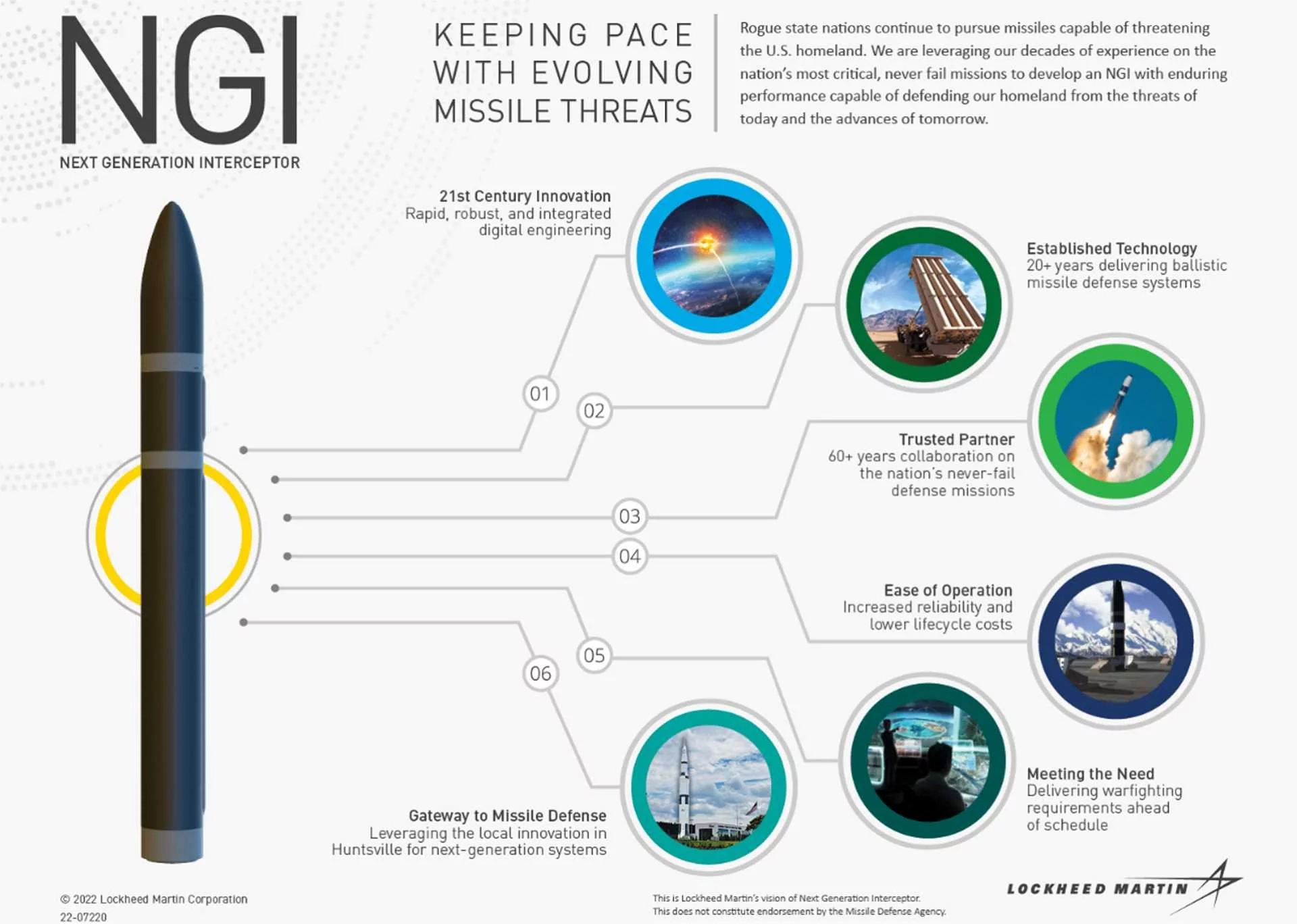
Defense giant Lockheed Martin has officially inaugurated a new manufacturing facility dedicated to producing the Next Generation Interceptor (NGI), a cutting-edge missile defense system designed to protect the United States from increasingly sophisticated ballistic missile threats. This strategic expansion represents a significant milestone in America’s ongoing efforts to modernize its homeland defense capabilities against potential attacks from adversarial nations.
The new production facility marks a crucial step forward in the Pentagon’s ambitious plans to replace aging missile defense infrastructure with more advanced and reliable systems. The NGI program is specifically designed to counter the evolving threat posed by intercontinental ballistic missiles (ICBMs), particularly those potentially launched by nations such as North Korea and Iran. As these countries continue to develop and refine their missile technologies, the United States has recognized the urgent need to stay ahead of these emerging threats through technological innovation.
The Next Generation Interceptor is intended to eventually replace the current Ground-Based Midcourse Defense (GMD) system, which has been operational since 2004 but has faced criticism regarding its reliability and effectiveness. The existing GMD interceptors, stationed primarily at Fort Greely in Alaska and Vandenberg Air Force Base in California, have demonstrated mixed results in testing scenarios. Defense experts have long called for a more dependable solution that can address the increasingly complex countermeasures that adversaries are developing to evade interception.
Lockheed Martin was selected by the Missile Defense Agency (MDA) in 2021 as one of the primary contractors for the NGI program, working alongside Northrop Grumman in a competitive development phase. The program represents billions of dollars in investment and is considered one of the most critical defense initiatives currently underway. The new manufacturing facility will enable Lockheed Martin to transition from the development phase into full-scale production, bringing the company closer to delivering operational interceptors to the U.S. military.
The technical challenges involved in missile interception are often compared to “hitting a bullet with a bullet” – a phrase commonly used by defense officials to describe the extraordinary precision required. Modern ICBMs can travel at speeds exceeding 15,000 miles per hour and deploy multiple warheads along with sophisticated decoys designed to confuse defensive systems. The NGI incorporates advanced sensor technology, improved kill vehicle designs, and enhanced discrimination capabilities to distinguish real warheads from decoys in the harsh environment of space.
This expansion of production capabilities comes at a time of heightened geopolitical tensions worldwide. North Korea has significantly accelerated its missile testing program in recent years, conducting dozens of launches including tests of its most advanced ICBMs capable of reaching the continental United States. Meanwhile, Iran’s ballistic missile program continues to advance, raising concerns among U.S. defense planners about potential future threats. The NGI program is designed to address these evolving challenges by providing a more robust and adaptable defense architecture.
The economic impact of the new facility extends beyond national security considerations. The manufacturing plant is expected to create hundreds of high-skilled jobs in engineering, production, and support roles, contributing to local economies and maintaining America’s defense industrial base. Lockheed Martin has emphasized its commitment to working with domestic suppliers and subcontractors, ensuring that the NGI program supports a broad network of American businesses and workers across the country.
Looking ahead, the Missile Defense Agency plans to begin deploying operational NGI systems in the late 2020s, with the goal of significantly enhancing the nation’s ability to defend against limited ICBM attacks. The new Lockheed Martin facility will play a central role in meeting this ambitious timeline, serving as the primary production hub for these critical defense assets. As global threats continue to evolve, investments in advanced missile defense capabilities remain a top priority for U.S. national security strategy, ensuring that America maintains its technological edge in protecting its citizens and allies from ballistic missile threats.