
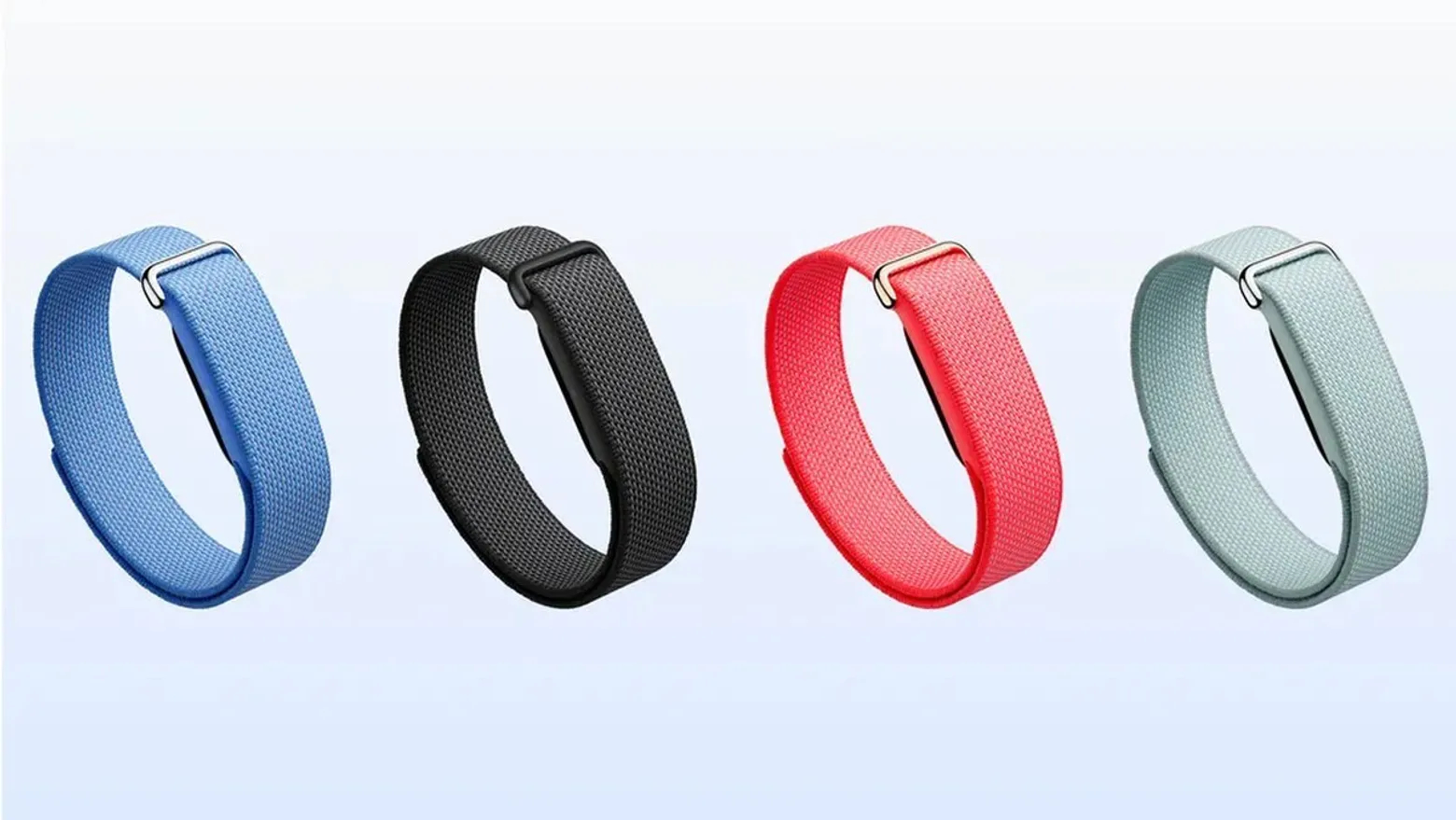
Google Releases Official Technical Specifications for Fitbit Air to Enable Third-Party Accessory Development
Google has taken a significant step toward expanding the ecosystem around its latest wearable device by releasing official technical schematics for the Fitbit Air. This move allows third-party manufacturers to create custom bands and accessories that are fully compatible with the new fitness tracker, signaling Google’s commitment to fostering a vibrant accessory market for its wearable technology lineup.
The release of these technical specifications marks an important development in the wearable technology industry, where proprietary designs have often limited consumer choice when it comes to personalization options. By providing detailed dimensional data, connection mechanisms, and material compatibility guidelines, Google is enabling accessory makers of all sizes to develop products that meet official standards for fit and function with the Fitbit Air.
The Fitbit brand has a long history dating back to 2007 when founders James Park and Eric Friedman set out to create devices that would help people lead healthier, more active lives. Google acquired Fitbit in January 2021 for approximately $2.1 billion, bringing the popular fitness tracking brand under its corporate umbrella. Since the acquisition, Google has worked to integrate Fitbit’s health monitoring expertise with its own technological capabilities, resulting in devices that combine sophisticated sensors with powerful software algorithms.
The decision to release technical specifications for third-party manufacturers represents a departure from the more closed approaches that some technology companies take with their wearable devices. Industry analysts suggest this strategy could significantly boost sales of the Fitbit Air by making it more attractive to consumers who value customization and personal expression. The ability to swap bands easily has been a key selling point for smartwatches and fitness trackers, with the accessory market for wearables estimated to be worth billions of dollars globally.
For accessory manufacturers, the official schematics provide crucial information that would otherwise require expensive reverse engineering efforts. The documentation includes precise measurements for the band attachment points, electrical contact specifications for any smart band features, and guidelines for materials that will withstand the rigors of daily wear during exercise and other activities. This level of detail ensures that third-party bands will attach securely and maintain the water resistance ratings that fitness tracker users depend on.
The move also has implications for sustainability in the wearable technology sector. By enabling a robust aftermarket for replacement bands, Google is potentially extending the useful lifespan of Fitbit Air devices. Rather than discarding an entire device when a band wears out or breaks, users can simply replace the band component. Environmental advocates have long called for electronics manufacturers to design products with repairability and component replacement in mind, and Google’s approach with the Fitbit Air aligns with these principles.
Small businesses and independent designers stand to benefit significantly from Google’s decision. Previously, creating accessories for popular wearables often required significant investment in measurement and testing to ensure compatibility. With official specifications now available, entrepreneurs can focus their resources on creative design and quality materials rather than basic engineering challenges. This democratization of accessory development could lead to a diverse marketplace featuring everything from luxury leather bands to specialized sports straps designed for specific activities.
Looking ahead, the release of these technical specifications may indicate Google’s broader strategy for the Fitbit product line. By building a strong ecosystem of compatible accessories and encouraging third-party participation, Google could be positioning Fitbit to compete more effectively against rivals like Apple Watch and Samsung Galaxy Watch, both of which have benefited from extensive accessory ecosystems. The company has not announced specific partnerships with accessory manufacturers, but industry observers expect announcements to follow as companies develop products based on the newly released specifications.