
Indian Smartphone Giant Lava Makes Bold European Debut with Samsung-Mocking Campaign
Indian smartphone manufacturer Lava International has officially announced its ambitious expansion into the European market, marking a significant milestone in the company’s strategy to establish itself as a global player in the competitive mobile device industry. The announcement comes alongside a provocative advertising campaign that directly targets South Korean giant Samsung, signaling Lava’s confidence in challenging established market leaders on their home turf.
The company’s European launch follows a period of sustained growth in its domestic Indian market, where Lava has carved out a substantial niche among budget-conscious consumers. Founded in 2009, Lava International has spent over fifteen years building its brand recognition and manufacturing capabilities in India, operating one of the country’s largest smartphone production facilities. The decision to enter Europe represents a calculated gamble that could either cement Lava’s position as a truly international brand or expose the limitations of competing against deeply entrenched competitors in mature markets.
The advertising campaign that accompanied Lava’s European announcement has generated considerable attention for its audacious approach. Rather than simply highlighting its own products’ strengths, Lava chose to directly mock Samsung, the world’s largest smartphone manufacturer by volume. While the specific details of the campaign’s content vary across different European markets, the underlying message consistently positions Lava as a fresh alternative to what the company characterizes as overpriced and underwhelming offerings from established Korean and Chinese brands. This confrontational marketing strategy echoes similar approaches taken by other challenger brands throughout tech history, from Apple’s famous “I’m a Mac” campaigns to more recent efforts by Chinese manufacturers entering Western markets.
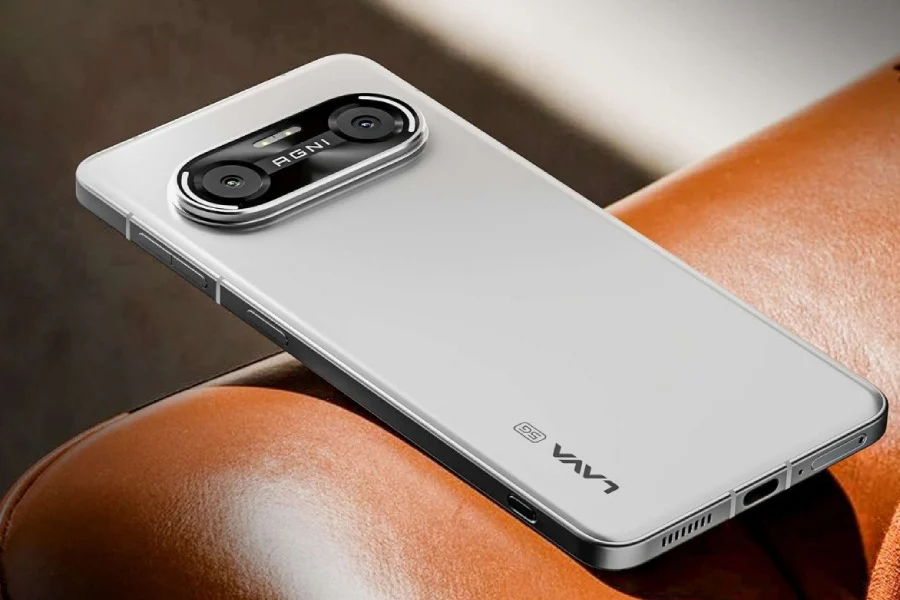
The timing of Lava’s European expansion coincides with recent product launches in India that demonstrate the company’s dual-pronged market strategy. The Agni 4, unveiled as Lava’s flagship offering, represents the brand’s most technologically advanced smartphone to date, featuring specifications designed to compete with mid-range offerings from Samsung, Xiaomi, and other major manufacturers. Simultaneously, the launch of the Yuva Star 3 as an entry-level device underscores Lava’s continued commitment to the budget segment that initially built its reputation. This approach of maintaining both premium and affordable product lines mirrors strategies employed by successful Chinese manufacturers during their own international expansions.
Industry analysts have offered mixed assessments of Lava’s European prospects. The European smartphone market presents unique challenges that differ significantly from conditions in India or other emerging markets. European consumers generally demonstrate stronger brand loyalty, higher expectations for after-sales service, and greater sensitivity to software update policies and long-term device support. Additionally, the market is already saturated with options ranging from Apple’s premium iPhones to aggressive pricing from Chinese manufacturers like Xiaomi and Realme, leaving relatively little room for new entrants. However, some experts note that Lava’s “Made in India” positioning could appeal to European consumers and businesses increasingly concerned about supply chain diversification away from Chinese manufacturing.
The geopolitical dimension of Lava’s expansion cannot be overlooked. As tensions between Western nations and China have increased in recent years, Indian technology companies have found themselves uniquely positioned to benefit from shifts in global supply chains and consumer preferences. The Indian government’s “Make in India” initiative has provided substantial support to domestic manufacturers, and Lava has been among the primary beneficiaries of policies designed to reduce dependence on Chinese imports. For European markets increasingly wary of Chinese technology companies, an Indian alternative could prove attractive, particularly if Lava can effectively communicate its independence from Chinese supply chains and data practices.
Looking ahead, Lava’s success in Europe will likely depend on several critical factors beyond mere product quality and pricing. Establishing reliable distribution networks, building brand awareness from essentially zero recognition, and providing customer service infrastructure comparable to established competitors will all require substantial investment and strategic patience. The company has not disclosed specific sales targets or investment figures for its European operations, though industry observers estimate that meaningful market penetration would require sustained commitment over multiple years and potentially hundreds of millions of dollars in marketing and operational expenditure. Whether Lava’s bold marketing approach and competitive pricing can overcome these challenges remains to be seen, but the company’s entry undeniably adds an intriguing new dimension to an already competitive European smartphone landscape.