
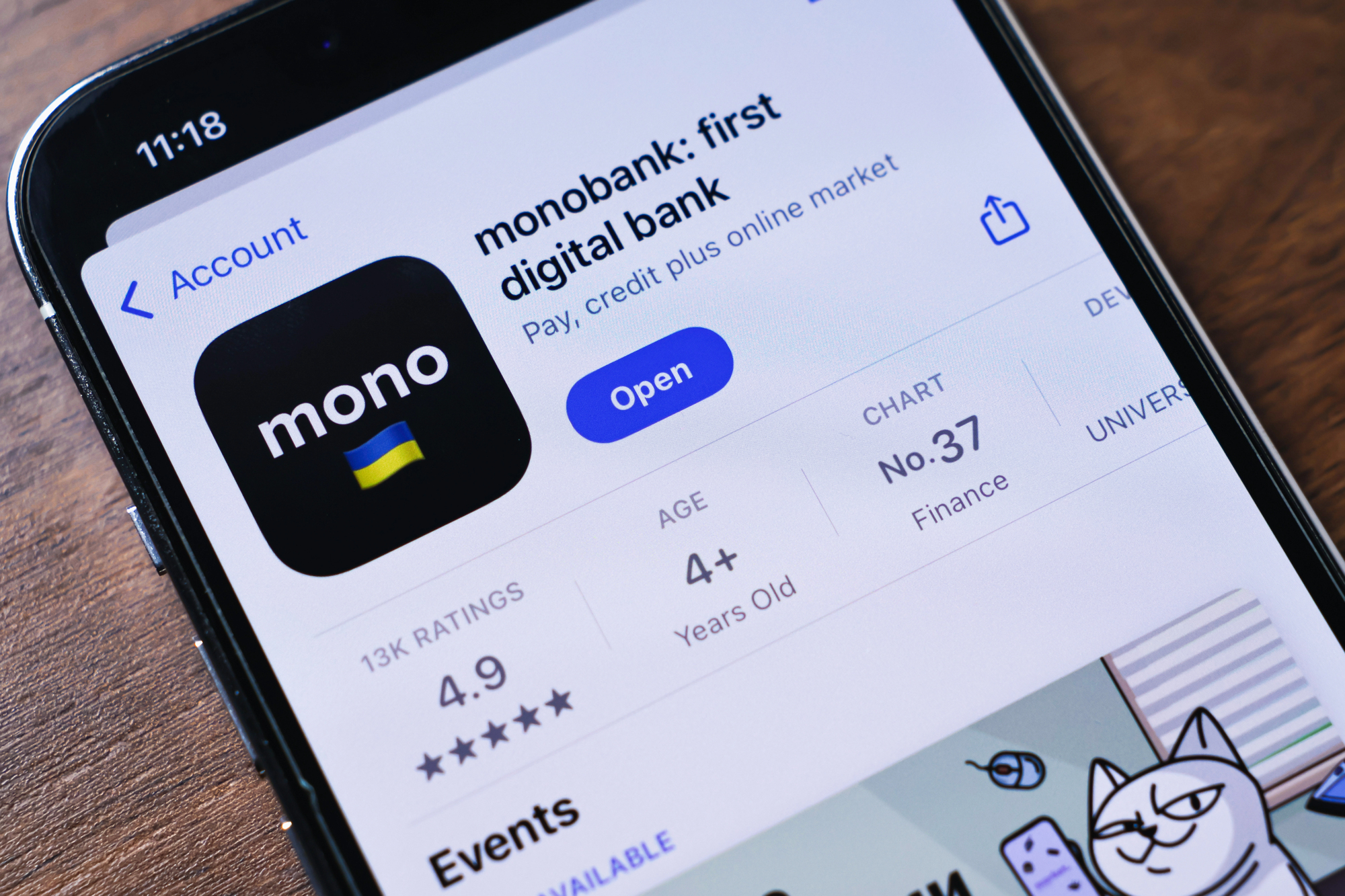
Fraudsters Change Tactics: Monobank Reveals New Schemes Targeting Ukrainian Bank Customers
Ukraine’s leading mobile bank, monobank, has announced a significant decline in traditional fraud cases while simultaneously warning customers about emerging threats that criminals are now employing. The shift in fraudulent activity patterns reflects both the success of enhanced security measures and the adaptive nature of cybercriminals who continuously evolve their methods to exploit new vulnerabilities in the digital banking ecosystem.
According to recent statements from monobank representatives, conventional fraud schemes that previously plagued the bank’s customers have decreased dramatically. This positive trend can be attributed to extensive educational campaigns, improved artificial intelligence-based detection systems, and stricter verification protocols implemented over the past year. The bank has invested heavily in machine learning algorithms that can identify suspicious transaction patterns in real-time, blocking potentially fraudulent operations before they can cause financial harm to customers.
However, the reduction in traditional scams has given way to more sophisticated attack vectors. Monobank officials have identified a concerning new trend where fraudsters are increasingly targeting customers through elaborate social engineering schemes. Unlike previous methods that relied on technical exploits or simple phishing attempts, these new tactics involve psychological manipulation that can be difficult for even tech-savvy users to recognize. Criminals are now impersonating bank employees, security specialists, and even law enforcement officials to gain victims’ trust before extracting sensitive information or convincing them to transfer funds.
The evolution of banking fraud in Ukraine mirrors global trends observed by cybersecurity experts worldwide. According to international studies, social engineering attacks have increased by over 300% since 2020, with financial institutions bearing the brunt of these schemes. The COVID-19 pandemic accelerated digital banking adoption across Ukraine, with monobank alone reporting millions of active users who conduct virtually all their financial operations through mobile devices. This massive shift to digital platforms has created fertile ground for criminals who exploit the relative anonymity and speed of online transactions.
Monobank, founded in 2017 as Ukraine’s first fully mobile bank, has become a pioneer in implementing cutting-edge security features. The institution operates without physical branches, making digital security paramount to its business model. The bank has introduced biometric authentication, real-time transaction notifications, and the ability to instantly freeze cards through the mobile application. Despite these measures, the human element remains the weakest link in the security chain, which is precisely what modern fraudsters are targeting with their refined psychological tactics.
Security experts recommend several protective measures for bank customers facing these new threats. First and foremost, users should remember that legitimate bank employees will never request PIN codes, CVV numbers, or full card details over the phone. Monobank has emphasized that their staff will never ask customers to install remote access software or transfer money to “safe accounts.” Any communication creating urgency or fear should be treated with extreme suspicion, as these emotional triggers are primary tools in the social engineer’s arsenal. Customers are advised to independently verify any suspicious calls by hanging up and contacting the bank through official channels listed in the mobile application.
The Ukrainian banking sector has faced unique challenges in recent years, with the ongoing conflict adding another layer of complexity to cybersecurity concerns. Criminal groups have exploited wartime anxiety and uncertainty to craft more convincing fraud scenarios, often incorporating themes related to humanitarian aid, government payments, or emergency evacuations. Monobank and other financial institutions have responded by launching awareness campaigns specifically addressing these war-related scams, partnering with government agencies and cybersecurity organizations to disseminate warnings through multiple channels.
Looking ahead, monobank has announced plans to further strengthen its fraud prevention infrastructure while maintaining the user-friendly experience that has made it one of Ukraine’s most popular banking applications. The institution continues to encourage customers to report suspicious activity immediately, as this crowdsourced intelligence helps identify emerging threats before they can spread widely. As the cat-and-mouse game between financial institutions and fraudsters continues, customer vigilance remains the most effective defense against increasingly sophisticated criminal schemes that exploit trust rather than technology.