
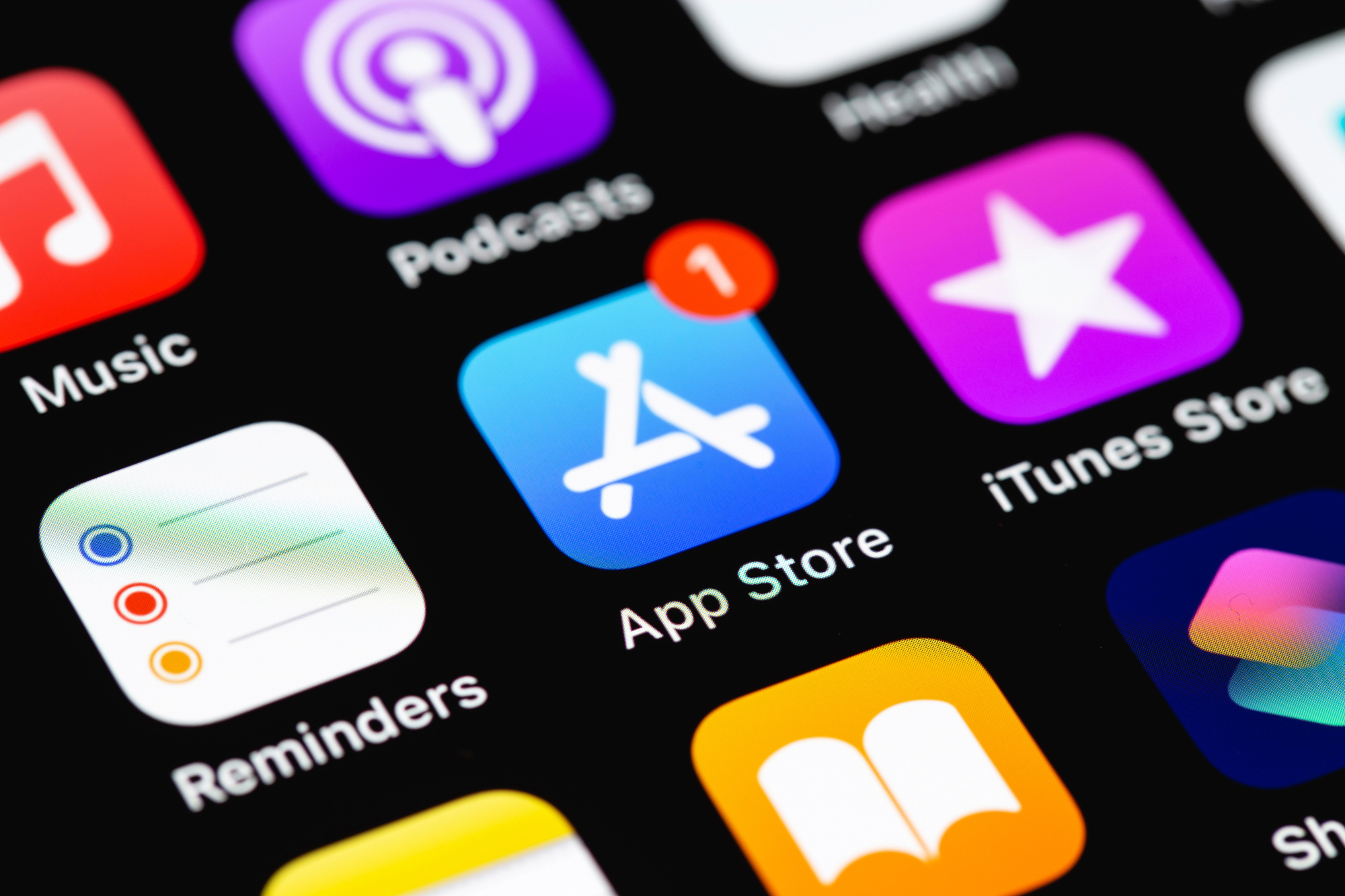
AI Agents May Soon Arrive in the App Store: Apple Shifts Its Approach to Autonomous Software
Apple is reportedly developing a framework that would allow artificial intelligence agents to operate safely within its ecosystem, marking a significant shift in the company’s traditionally cautious approach to emerging technologies. According to recent reports, the tech giant is preparing infrastructure that could eventually enable AI agents—autonomous software programs capable of performing complex tasks on behalf of users—to be distributed through the App Store. This move signals Apple’s recognition that AI agents represent the next frontier in computing and that the company must adapt its platform to remain competitive in an increasingly AI-driven market.
The initiative comes as the broader tech industry experiences a surge in AI agent development. Unlike traditional applications that require constant user input, AI agents can independently navigate digital environments, make decisions, and complete multi-step tasks with minimal human intervention. These agents can book travel arrangements, manage email communications, conduct research, and even interact with other applications autonomously. For Apple, integrating such technology into its tightly controlled ecosystem presents both tremendous opportunities and significant challenges that the company appears determined to address.
Apple’s approach to AI agent integration reflects its long-standing philosophy of prioritizing user security and privacy above rapid feature deployment. The company is reportedly developing robust sandboxing mechanisms and permission systems specifically designed for AI agents, ensuring that these autonomous programs cannot access sensitive user data or system resources without explicit authorization. This careful methodology stands in contrast to more open platforms where AI agents have already begun operating with fewer restrictions, sometimes leading to security vulnerabilities and privacy concerns that Apple seeks to avoid.
The historical context of Apple’s AI journey provides important perspective on this development. The company introduced Siri in 2011, making it one of the earliest mainstream voice assistants, yet critics have long argued that Siri has fallen behind competitors like Google Assistant and Amazon’s Alexa in terms of capabilities and intelligence. Apple’s acquisition of numerous AI startups over the years, combined with its significant investments in machine learning research, suggests the company has been laying groundwork for more ambitious AI features. The introduction of Apple Intelligence earlier this year demonstrated the company’s renewed commitment to artificial intelligence, and AI agents appear to be the logical next step in this evolution.
Industry analysts believe that Apple’s entry into the AI agent space could fundamentally reshape how consumers interact with their devices. The App Store’s massive reach—serving hundreds of millions of users across iPhones, iPads, and Macs—would provide AI agent developers with unprecedented distribution capabilities. Moreover, Apple’s emphasis on creating seamless experiences across its device ecosystem could enable AI agents to perform tasks that span multiple devices and services, potentially offering functionality that fragmented Android and Windows environments cannot easily replicate. The integration of AI agents with existing Apple services like Apple Pay, Health, and HomeKit could create powerful automation possibilities.
Security experts have noted that Apple’s cautious approach may actually benefit the long-term adoption of AI agents. Recent incidents involving AI systems making unauthorized purchases, accessing private communications, or taking unexpected actions have highlighted the risks of deploying autonomous software without adequate safeguards. By establishing clear guidelines and technical limitations from the outset, Apple could help establish industry standards for responsible AI agent deployment. The company’s App Store review process, while sometimes criticized for being overly restrictive, could serve as an important quality control mechanism ensuring that AI agents meet baseline safety requirements before reaching consumers.
The timing of Apple’s AI agent initiative also reflects broader competitive pressures in the technology industry. Microsoft has aggressively integrated AI capabilities into Windows and its productivity suite through Copilot, while Google has embedded AI agents into its search and workspace products. OpenAI, Anthropic, and numerous startups are racing to develop increasingly sophisticated autonomous agents. Apple’s traditional strategy of entering markets later but with more polished products will be tested as AI agent technology evolves rapidly. The company must balance its methodical development process against the risk of being perceived as falling behind in the AI race that is reshaping the technology landscape.
Looking ahead, the introduction of AI agents to the App Store could herald a new era of computing where users delegate increasingly complex tasks to autonomous software assistants. Apple’s implementation will likely emphasize transparency, giving users clear visibility into what actions agents are taking and why. The company may also develop new interface paradigms specifically designed for monitoring and controlling AI agent behavior. As this technology matures, the relationship between humans and their digital devices could fundamentally transform, with AI agents serving as tireless digital assistants capable of handling the routine tasks that currently consume significant portions of our daily lives.