
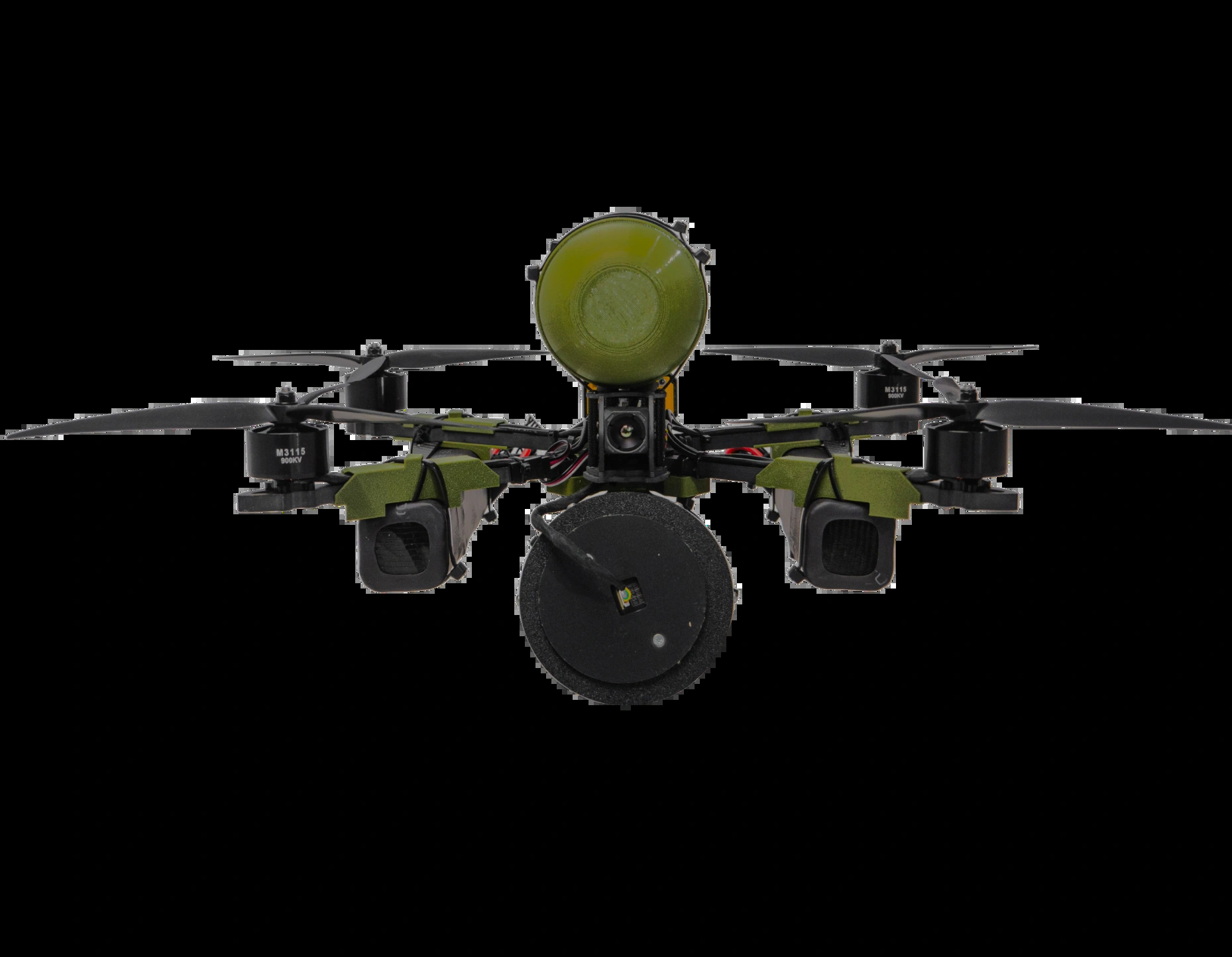
Ukrainian Kolibri 10-O FPV Drone Upgraded with 20km Fiber Optic Control and Enhanced Electronic Warfare Protection
Ukraine’s defense technology sector has unveiled a significant upgrade to the Kolibri 10-O first-person view (FPV) drone, equipping it with an advanced 20-kilometer fiber optic control system and improved digital optics. This enhancement represents a major leap forward in Ukrainian unmanned aerial vehicle (UAV) capabilities, specifically designed to counter the increasingly sophisticated electronic warfare (EW) systems deployed by Russian forces on the battlefield. The codified Kolibri 10-O now features cutting-edge digital optical systems that promise to revolutionize how Ukrainian forces conduct precision strike operations.
The integration of fiber optic control technology marks a paradigm shift in drone warfare tactics. Traditional FPV drones rely on radio frequency signals to maintain communication between the operator and the aircraft, making them vulnerable to jamming and electronic countermeasures. By transmitting control signals through a thin fiber optic cable that spools out behind the drone during flight, the Kolibri 10-O becomes essentially immune to radio frequency interference. This technology, while adding complexity to the drone’s design, provides operators with an uninterrupted video feed and precise control capabilities even in the most heavily contested electronic environments.
The 20-kilometer range represents a substantial operational advantage for Ukrainian forces. This extended reach allows drone operators to remain well behind front lines while still delivering precision strikes on enemy positions, supply lines, and equipment. For context, most conventional FPV drones operate within a 5-10 kilometer range before signal degradation becomes problematic. The fiber optic system not only extends this range but also provides higher bandwidth for video transmission, enabling the new digital optics to deliver crystal-clear imagery to operators regardless of atmospheric conditions or electronic interference attempts.
Electronic warfare has emerged as one of the most critical battlefields within the broader Ukraine conflict. Russia has deployed extensive EW systems, including the Krasukha and Pole-21 systems, which can disrupt GPS signals and jam drone communications across wide areas. Ukrainian drone operators have reported significant losses to these countermeasures, with some units experiencing jamming that causes drones to lose control or crash before reaching their targets. The development of EW-resistant drones like the upgraded Kolibri 10-O represents Ukraine’s adaptive response to this technological challenge, demonstrating the rapid innovation cycles that have characterized the conflict.
The Kolibri drone family has evolved significantly since its introduction into Ukrainian service. Originally developed as a relatively simple reconnaissance and strike platform, successive iterations have incorporated lessons learned from thousands of combat missions. The “10-O” designation indicates this particular variant’s specifications and capabilities, with the latest upgrade package addressing the most pressing operational challenges faced by frontline units. Ukrainian engineers have worked closely with military personnel to identify vulnerabilities and develop solutions that can be rapidly deployed to active combat zones.
The broader context of drone warfare in Ukraine cannot be overstated. Since the conflict began, both sides have deployed hundreds of thousands of unmanned systems, ranging from small commercial quadcopters to sophisticated military-grade platforms. FPV drones, in particular, have transformed tactical operations, serving as precision-guided munitions that cost a fraction of traditional missiles while delivering comparable effectiveness against armored vehicles, fortifications, and personnel. Industry analysts estimate that Ukraine produces tens of thousands of FPV drones monthly, with continuous improvements being incorporated based on battlefield feedback.
Defense technology experts note that the fiber optic drone concept, while not entirely new, has been refined and optimized for the specific conditions of the Ukraine conflict. Similar systems have been developed by other nations, including South Korea and Israel, but the Ukrainian implementation stands out for its cost-effectiveness and rapid deployment timeline. The ability to manufacture these systems domestically, using locally available components where possible, represents a strategic advantage that reduces dependence on foreign supply chains and allows for faster iteration of designs based on combat experience.
Looking ahead, the successful deployment of the Kolibri 10-O with fiber optic control could influence drone development programs worldwide. Military planners and defense contractors are closely watching the Ukraine conflict as a proving ground for next-generation unmanned systems technology. The lessons learned about electronic warfare countermeasures, extended-range operations, and the integration of advanced optics will likely shape drone doctrine and design for years to come. For Ukraine, innovations like this upgraded Kolibri represent not just tactical advantages but also contributions to the broader evolution of modern warfare technology.