
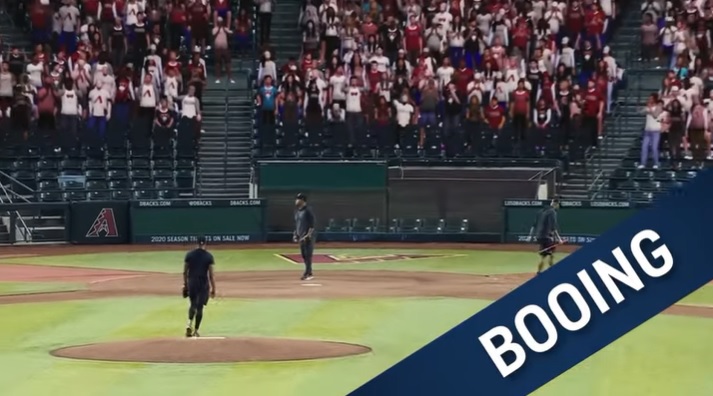
Fox Sports Introduces Virtual Fans to Fill Empty Stadium Seats During Pandemic Broadcasts
In an innovative response to the challenges posed by empty stadiums during the global pandemic, Fox Sports has unveiled a groundbreaking broadcasting solution: filling arena seats with computer-generated virtual spectators. This technological approach aims to recreate the atmosphere of packed venues for television audiences, helping viewers momentarily escape the stark reality of sports events held without live attendance.
The decision to implement virtual crowd technology came as professional sports leagues around the world grappled with the unprecedented situation of hosting games in completely empty venues. With strict health protocols prohibiting fan attendance, broadcasters faced the challenge of presenting sporting events that felt eerily different from what audiences had grown accustomed to watching. The empty seats and silent arenas created a disconnect that many viewers found unsettling, prompting networks to seek creative solutions.
Fox Sports’ virtual fan technology utilizes sophisticated computer graphics to populate stadium seats with realistic-looking spectators during live broadcasts. The system can generate thousands of individual figures, each with unique appearances and movements, creating the illusion of a fully attended event. The virtual crowds are programmed to react appropriately to game situations, standing and cheering during exciting moments while remaining seated during calmer periods of play. This attention to behavioral detail helps maintain the authenticity of the viewing experience.
The concept of augmented reality in sports broadcasting is not entirely new, as networks have experimented with virtual advertising boards and enhanced graphics for years. However, the application of this technology to simulate entire crowds represents a significant leap forward. Similar approaches have been adopted by other major broadcasters worldwide, including Sky Sports in the United Kingdom and various networks covering European football leagues. Some leagues, like the German Bundesliga, initially chose to display cardboard cutouts of fans in seats, while others embraced fully digital solutions.
Critics of the virtual fan approach have raised concerns about the artificial nature of the viewing experience, arguing that it creates a somewhat uncanny valley effect that can distract from the actual sporting competition. Some purists prefer the honest presentation of empty stadiums, viewing it as an accurate reflection of the extraordinary circumstances under which these events are taking place. However, broadcasters counter that audience research indicates many viewers prefer some form of crowd simulation over completely barren venues.
Beyond visual enhancements, networks have also experimented with artificial crowd noise to complement the virtual spectators. Using recordings from previous matches and sophisticated audio mixing, sound engineers can create reactive soundscapes that respond to on-field action. This combination of visual and audio elements works together to produce a more immersive broadcast experience. Players and coaches have offered mixed reactions to these innovations, with some appreciating any semblance of normalcy while others find the artificial atmosphere distracting.
The implementation of virtual crowd technology represents a broader trend in sports media toward increased use of augmented and virtual reality elements. As the technology continues to evolve, industry experts predict that future broadcasts may offer even more sophisticated viewer experiences, potentially including customizable crowd sizes or interactive elements for home audiences. While the pandemic necessitated these innovations out of urgent necessity, the lessons learned may permanently reshape how sporting events are presented to television audiences, even after stadiums eventually return to full capacity with live spectators cheering from the stands.