
Siri Gets a Major AI Overhaul: Apple Unveils Revolutionary Siri AI Assistant Rivaling Gemini
Apple has officially unveiled its next-generation artificial intelligence assistant, Siri AI, marking the most significant upgrade to its voice assistant since its original debut in 2011. The new Siri AI represents a fundamental reimagining of how users interact with their Apple devices, featuring deep integration capabilities that allow the assistant to seamlessly access and process data from emails, photos, messages, and other personal applications. This transformation positions Apple’s assistant to directly compete with Google’s Gemini and other advanced AI systems that have dominated recent conversations about artificial intelligence.
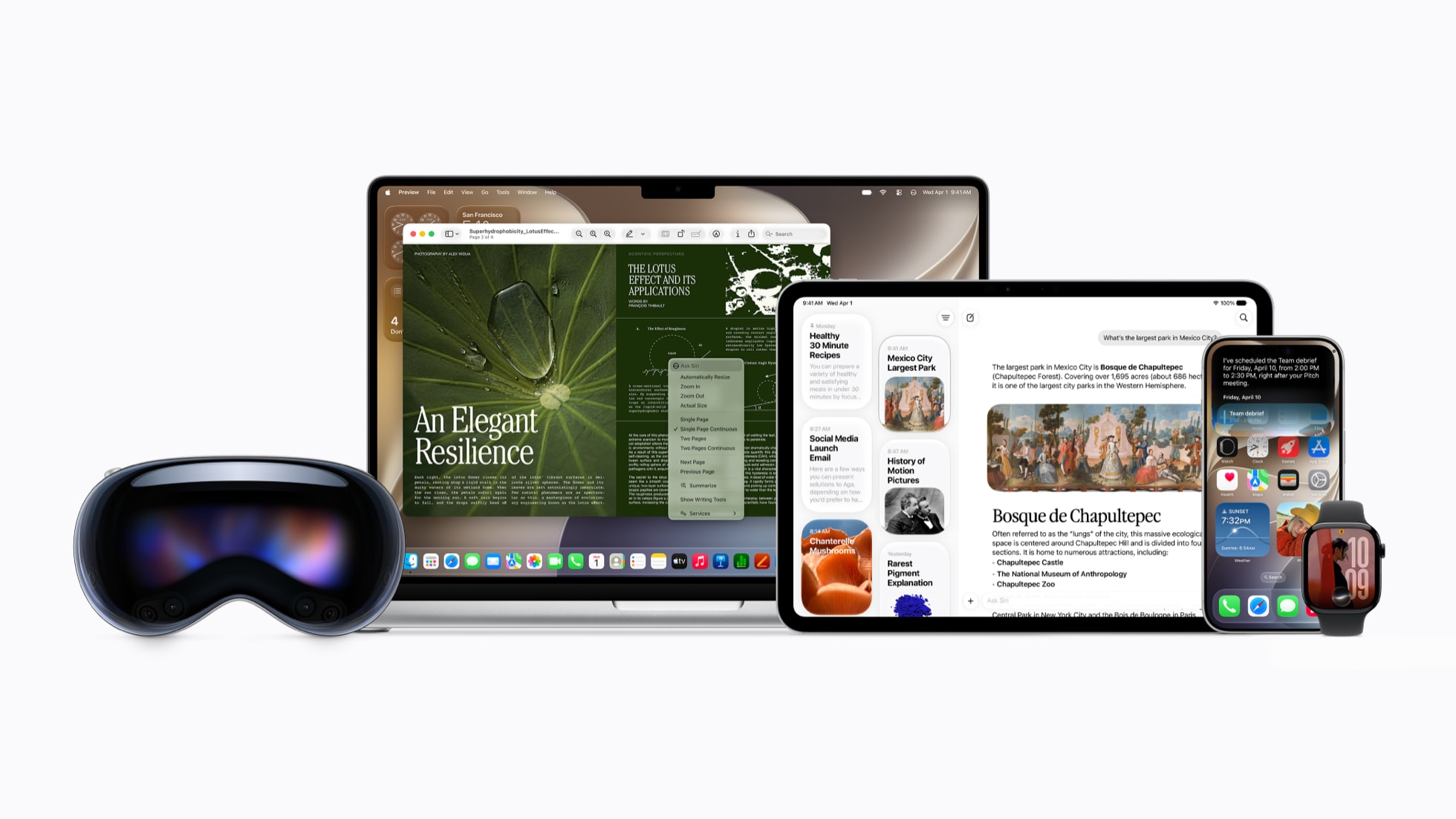
The enhanced Siri AI introduces what Apple describes as contextual intelligence, enabling the assistant to understand user intent across multiple applications simultaneously. Unlike its predecessor, which often struggled with complex multi-step requests, the new system can pull information from various sources to provide comprehensive, personalized responses. For instance, users can now ask Siri to find photos from a specific event mentioned in their emails or compile information from messages and calendar entries to create intelligent summaries and recommendations.
This dramatic overhaul comes at a critical juncture for Apple, which has faced mounting criticism for falling behind competitors in the artificial intelligence race. While Google rapidly advanced its Gemini AI capabilities and OpenAI’s ChatGPT captured public imagination, Apple’s Siri remained largely unchanged, frustrating users who expected more sophisticated interactions. Industry analysts have long pointed out that despite Apple’s vast resources and access to user data, the company seemed hesitant to push boundaries in AI development, preferring incremental improvements over revolutionary changes.
The technical architecture behind Siri AI represents a significant departure from previous versions. Apple has implemented advanced large language model technology while maintaining its trademark emphasis on user privacy. The company has developed on-device processing capabilities that allow many AI functions to operate locally on iPhones, iPads, and Macs, reducing the need to send sensitive personal data to cloud servers. This approach addresses growing consumer concerns about data security while still delivering the powerful AI features users increasingly demand.
Privacy has always been a cornerstone of Apple’s marketing strategy, and Siri AI continues this tradition with enhanced security measures. The system employs differential privacy techniques and end-to-end encryption for any data that must be processed remotely. Apple executives have emphasized that unlike some competitors, they have no interest in using customer data for advertising purposes or training AI models without explicit consent. This privacy-first approach may resonate particularly well with users who have grown wary of how technology companies handle their personal information.
The competitive landscape for AI assistants has intensified dramatically over the past two years. Google’s Gemini has demonstrated remarkable capabilities in understanding context, generating creative content, and performing complex reasoning tasks. Amazon has continuously enhanced Alexa with generative AI features, while Microsoft has integrated OpenAI’s technology throughout its product ecosystem. Apple’s response with Siri AI suggests the company recognizes the existential threat of being perceived as an AI laggard in an industry increasingly defined by artificial intelligence capabilities.
Industry experts suggest that Siri AI’s integration with Apple’s ecosystem could prove to be its greatest competitive advantage. With access to data across iCloud, Apple Music, Apple Pay, Health app, and countless third-party applications, the assistant has unparalleled potential to become a truly personal AI companion. The seamless connection between iPhones, Apple Watches, Macs, and HomePods creates opportunities for contextual awareness that standalone AI services cannot easily replicate. As artificial intelligence becomes increasingly central to the technology experience, Apple’s latest move signals its determination to remain at the forefront of innovation.
The rollout of Siri AI is expected to begin with the next major iOS update, with features gradually expanding over subsequent releases. Apple has indicated that developers will gain access to new APIs allowing third-party applications to integrate more deeply with the enhanced assistant. This ecosystem approach mirrors successful strategies employed by competitors and could accelerate the adoption of Siri AI capabilities across the broader app landscape. For millions of Apple users worldwide, this transformation promises to finally deliver the intelligent, intuitive assistant experience they have long anticipated.