Samsung Galaxy Watch Now Alerts Workers About Heat Stroke Risk in Groundbreaking Workplace Safety Trial
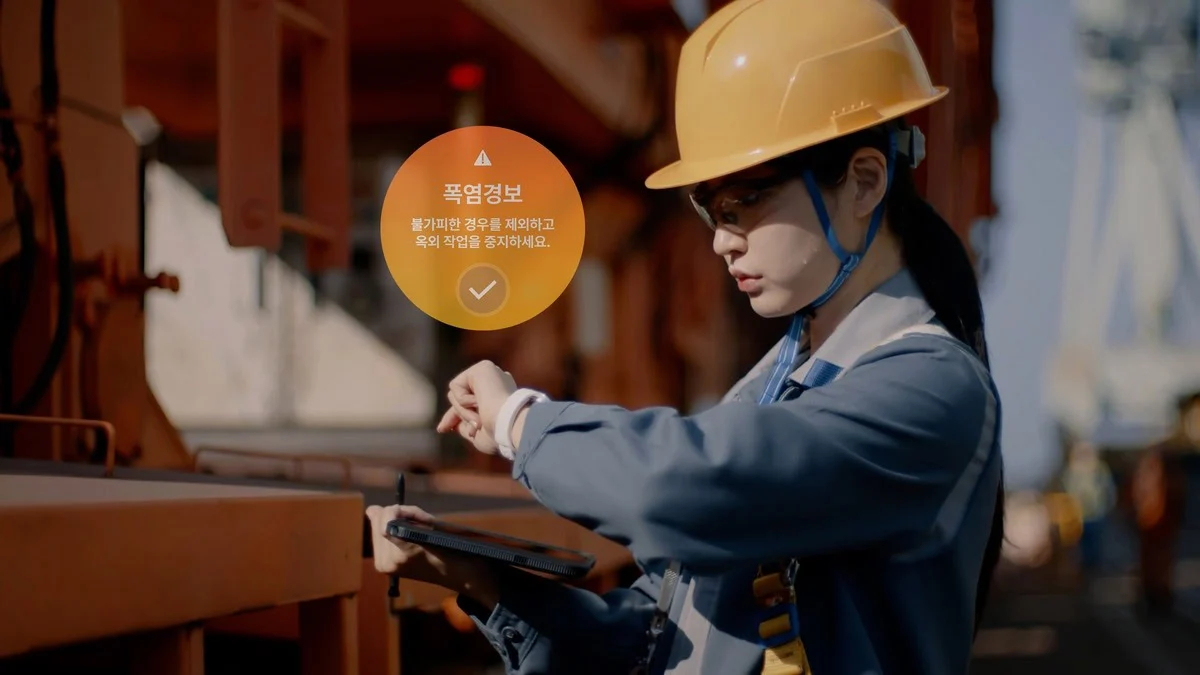
In a pioneering move that could revolutionize occupational health and safety, Samsung’s Galaxy Watch has been deployed to monitor workers and provide early warnings about potential heat stroke risks. The innovative technology is currently undergoing extensive testing exclusively in South Korea, where summer temperatures and humidity levels can create dangerous working conditions for outdoor laborers and factory workers alike.
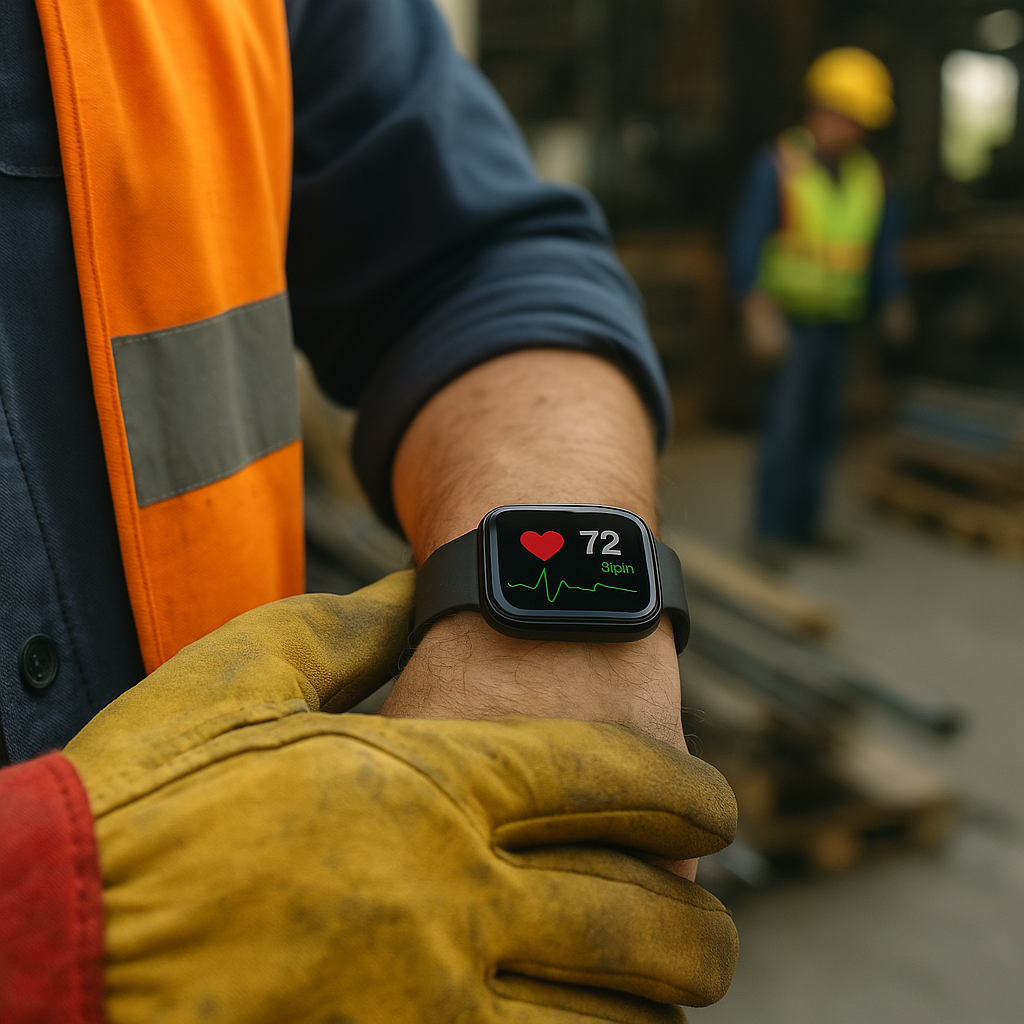
The pilot program represents a significant collaboration between Samsung’s wearable technology division and South Korean workplace safety authorities. The Galaxy Watch continuously monitors critical biometric data including heart rate, skin temperature, and activity levels to calculate real-time heat stress indicators. When the algorithm detects patterns suggesting a worker may be approaching dangerous overheating thresholds, the device immediately sends an alert, potentially preventing a life-threatening medical emergency before symptoms become severe.
Heat stroke remains one of the most serious occupational hazards facing workers worldwide, particularly those in construction, agriculture, manufacturing, and logistics sectors. According to the International Labour Organization, millions of workers are exposed to excessive heat annually, with climate change intensifying the problem each year. Heat-related illnesses claimed hundreds of lives globally in recent years, with countless more workers suffering from heat exhaustion, dehydration, and long-term health complications. Traditional safety measures such as scheduled breaks and hydration reminders often fail to account for individual physiological differences and varying heat tolerance levels among workers.
South Korea has been grappling with increasingly severe summer heat waves, with temperatures regularly exceeding 35 degrees Celsius in recent years. The country recorded its highest-ever temperature of 41 degrees Celsius in 2018, and workplace heat-related incidents have been climbing steadily. The Korean Occupational Safety and Health Agency has been actively seeking technological solutions to address this growing crisis, making Samsung’s initiative particularly timely and relevant to national workplace safety priorities.

The technology behind the heat stroke warning system leverages Samsung’s advanced health sensors combined with artificial intelligence algorithms trained on extensive physiological data. The watch measures subtle changes in heart rate variability, which research has shown can indicate early stages of heat stress before a person consciously feels unwell. Additionally, the device considers environmental factors and physical activity intensity to provide personalized risk assessments. This individualized approach marks a significant advancement over blanket safety policies that apply uniform rules regardless of each worker’s unique physical condition, age, fitness level, or acclimatization to heat.
Industry experts have praised the initiative as a model for how consumer technology can be repurposed for workplace safety applications. Dr. Kim Sung-ho, a occupational health researcher at Seoul National University, noted that wearable devices offer unprecedented opportunities for real-time health monitoring in hazardous work environments. The continuous nature of smartwatch monitoring provides advantages over periodic check-ins or relying solely on workers to self-report symptoms, as heat stroke can impair judgment and make affected individuals unaware of their deteriorating condition. Furthermore, the data collected during the pilot program could help researchers better understand heat stress patterns and develop more effective prevention strategies.
If the South Korean trial proves successful, Samsung may expand the program to other countries facing similar occupational heat challenges, including Southeast Asian nations, the Middle East, and parts of the United States where outdoor workers face extreme summer conditions. The company has not yet announced specific timelines for broader deployment, but the initiative aligns with growing global interest in using wearable technology for workplace safety applications beyond traditional fitness tracking. As climate change continues to push temperatures higher and heat waves become more frequent and intense, such technological interventions may become essential tools in protecting the health and lives of workers around the world.