
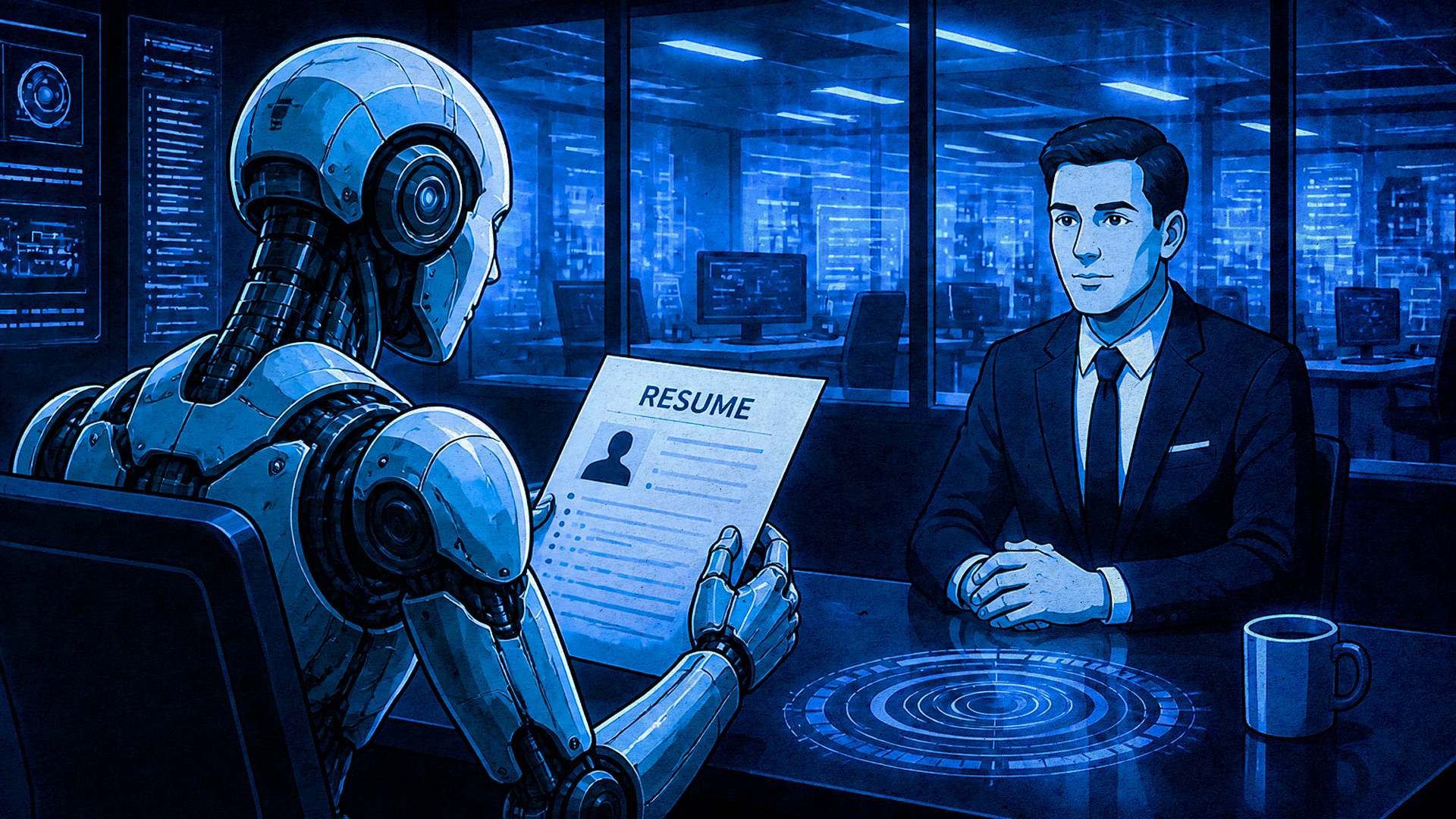
Kyivstar, SoftServe, NOVA and Other Major Companies Now Hire Using AI: How to Adapt Your Resume for Algorithmic Screening
The landscape of job recruitment in Ukraine is undergoing a fundamental transformation as major corporations increasingly rely on artificial intelligence to screen candidates. Companies like Kyivstar, SoftServe, NOVA, and other industry leaders have already implemented AI-powered hiring systems, marking a significant shift in how employment decisions are made. This technological evolution means that job seekers must now understand how to present their qualifications not just to human recruiters, but to sophisticated algorithms that serve as the first gatekeepers in the hiring process.
The adoption of AI in recruitment is part of a broader global trend that has accelerated dramatically in recent years. According to industry research, over 75% of large companies worldwide now use some form of automated applicant tracking system (ATS) or AI-powered screening tools. These systems can process thousands of applications in minutes, analyzing resumes for relevant skills, experience, and qualifications. For Ukrainian companies facing intense competition for talent in the technology and telecommunications sectors, AI recruitment tools offer a way to efficiently manage high volumes of applications while maintaining consistency in candidate evaluation.
Many job seekers have traditionally relied on various tricks to game automated resume screening systems. Tactics such as hiding keywords in white text, stuffing documents with invisible metadata, or submitting files only in DOCX format to exploit parsing vulnerabilities were once considered clever workarounds. However, experts now emphasize that these outdated strategies are no longer effective and may actually harm a candidate’s chances. Modern AI systems have become significantly more sophisticated, capable of detecting manipulation attempts and penalizing applications that appear to be gaming the system. The algorithms now analyze context, semantic meaning, and the logical flow of information rather than simply counting keyword matches.
The new generation of AI recruitment tools employs natural language processing and machine learning to understand the substance of a candidate’s experience rather than just surface-level keyword matching. These systems can identify skills that are implied but not explicitly stated, assess the progression of a candidate’s career, and even evaluate the quality of achievements mentioned in a resume. SoftServe, one of Ukraine’s largest IT companies with over 10,000 employees globally, has been at the forefront of implementing these advanced screening technologies, using them to process applications for positions ranging from junior developers to senior management roles.
To succeed in this new environment, career experts recommend focusing on authentic, well-structured resumes that clearly communicate value. Instead of trying to trick algorithms, candidates should ensure their resumes contain relevant industry terminology used naturally within context. This means describing actual projects, quantifiable achievements, and specific technologies or methodologies used in previous roles. For instance, rather than simply listing “project management” as a skill, candidates should describe specific projects they managed, the team sizes involved, budgets handled, and measurable outcomes achieved. This approach satisfies both AI systems looking for relevant content and human recruiters who will eventually review shortlisted candidates.
The telecommunications giant Kyivstar, which serves millions of Ukrainian customers, has integrated AI tools throughout its hiring pipeline to help identify candidates who not only possess the required technical skills but also demonstrate potential for cultural fit and long-term growth within the organization. Similarly, NOVA, one of Ukraine’s leading logistics and postal service companies, uses automated screening to handle the high volume of applications it receives for positions across its extensive network of branches and distribution centers. These companies report that AI-assisted hiring has reduced time-to-hire by up to 40% while improving the quality of candidates who reach the interview stage.
Experts advise job seekers to adopt several key strategies when preparing resumes for AI-screened applications. First, use standard section headings like “Work Experience,” “Education,” and “Skills” that algorithms can easily parse and categorize. Second, include specific metrics and numbers wherever possible, as AI systems are trained to identify and value quantifiable achievements. Third, tailor each resume to the specific job description, naturally incorporating relevant terminology from the posting. Fourth, use clean formatting without complex tables, graphics, or unusual fonts that might confuse parsing systems. Finally, ensure that file names are professional and that documents are saved in commonly accepted formats that preserve formatting integrity.
As AI continues to evolve, the relationship between job seekers and recruitment technology will only become more complex. Industry analysts predict that within the next few years, AI systems will not only screen resumes but also conduct initial video interviews, assess candidates’ soft skills through behavioral analysis, and predict job performance with increasing accuracy. For Ukrainian professionals navigating this changing landscape, the key to success lies not in outsmarting the machines but in presenting authentic, well-articulated qualifications that demonstrate genuine value to potential employers. The companies that have embraced these technologies are looking for real talent, and the best strategy remains being genuinely qualified and communicating that qualification clearly.