
Ukraine’s Defense Industry Seeks Export Markets as State Cannot Absorb Full Production Capacity
Ukraine’s rapidly expanding defense industry has reached a critical juncture where domestic government orders alone cannot sustain the full manufacturing capacity of the country’s weapons producers. According to recent statements from Ukrainian defense sector representatives, the state simply cannot purchase the entire volume of military equipment and ammunition being produced by domestic manufacturers, creating an urgent need for access to international export markets.
The Ukrainian Defense Industry Association (TSU) has emphasized that allowing companies to sell their products abroad would provide crucial additional revenue streams that could be reinvested into research, development, and expanded production capabilities. This situation highlights a paradox that has emerged from Ukraine’s wartime industrial transformation – while the country desperately needs weapons for its own defense, its manufacturing sector has grown to a point where it exceeds what government budgets can absorb.
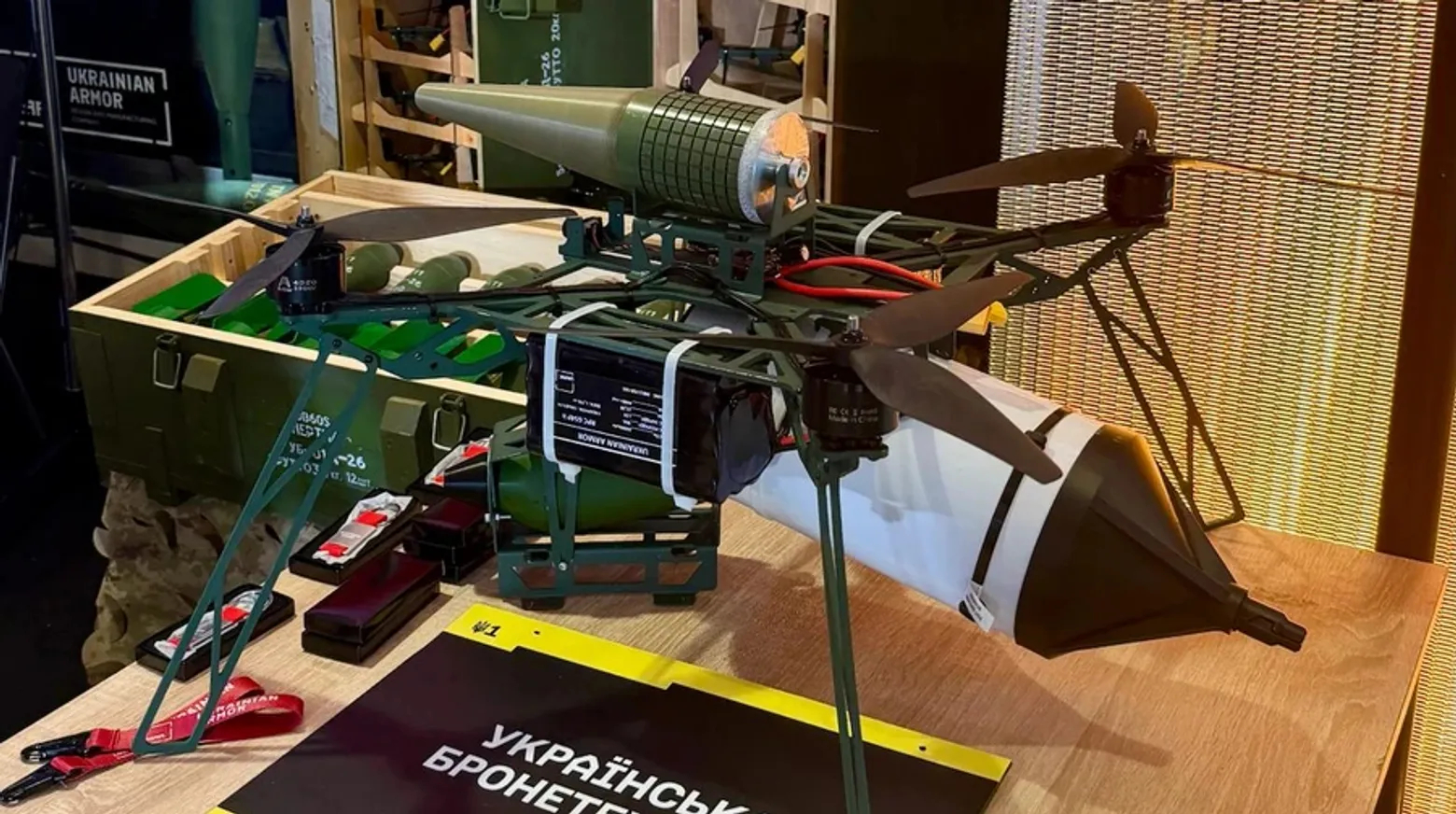
Since the beginning of Russia’s full-scale invasion in February 2022, Ukraine has undergone an unprecedented militarization of its industrial base. Factories that once produced civilian goods have been converted to manufacture drones, ammunition, and military vehicles. The country has become particularly renowned for its drone production capabilities, with estimates suggesting Ukraine now produces thousands of unmanned aerial vehicles monthly. This rapid expansion was driven by necessity, as traditional Western supply chains proved insufficient to meet battlefield demands, and Ukrainian ingenuity filled the gap with innovative solutions like long-range strike drones and electronic warfare systems.
The financial constraints facing Ukraine’s defense procurement are significant. Despite receiving substantial international military aid – with the United States alone providing over $50 billion in security assistance since 2022 – the Ukrainian government operates under severe budgetary pressures. The country’s economy contracted dramatically in the first year of the war, and while it has shown remarkable resilience with modest growth in subsequent years, state revenues remain limited. Much of the international financial support goes toward maintaining basic government functions, paying pensions, and keeping essential services operational, leaving limited funds for domestic weapons purchases.
Defense industry experts suggest that export opportunities could transform Ukraine’s military manufacturers into globally competitive players. Countries in Eastern Europe, the Baltic states, and other regions facing potential Russian aggression have shown interest in Ukrainian-made weapons that have been battle-tested and proven effective. Ukrainian drones, in particular, have demonstrated remarkable capabilities against Russian forces, destroying tanks, artillery positions, and supply lines. This real-world combat experience gives Ukrainian products a unique selling point that few other manufacturers can match – their weapons have been tested not in controlled environments, but in actual high-intensity warfare against a major military power.
However, the path to export markets is complicated by several factors. Ukraine must balance its own military needs against potential sales abroad, ensure that exported technology doesn’t fall into adversarial hands, and navigate complex international arms trade regulations. There are also concerns about maintaining quality control and after-sales support for foreign customers while the country remains engaged in an existential conflict. Some Western allies have expressed hesitation about Ukrainian weapons exports, preferring that all production capacity be directed toward the ongoing war effort.
The development of Ukraine’s defense industry represents one of the most significant long-term consequences of the current conflict. Before 2022, Ukraine had a substantial but aging military-industrial complex, largely inherited from the Soviet era and focused on maintaining legacy systems. The war has catalyzed a complete transformation, with new companies emerging, innovative technologies being developed, and a new generation of defense entrepreneurs gaining experience. Industry analysts suggest that if Ukraine can successfully establish itself as a reliable exporter of modern, combat-proven weapons systems, it could become a major player in the global defense market for decades to come, providing both economic benefits and strategic influence on the world stage.