
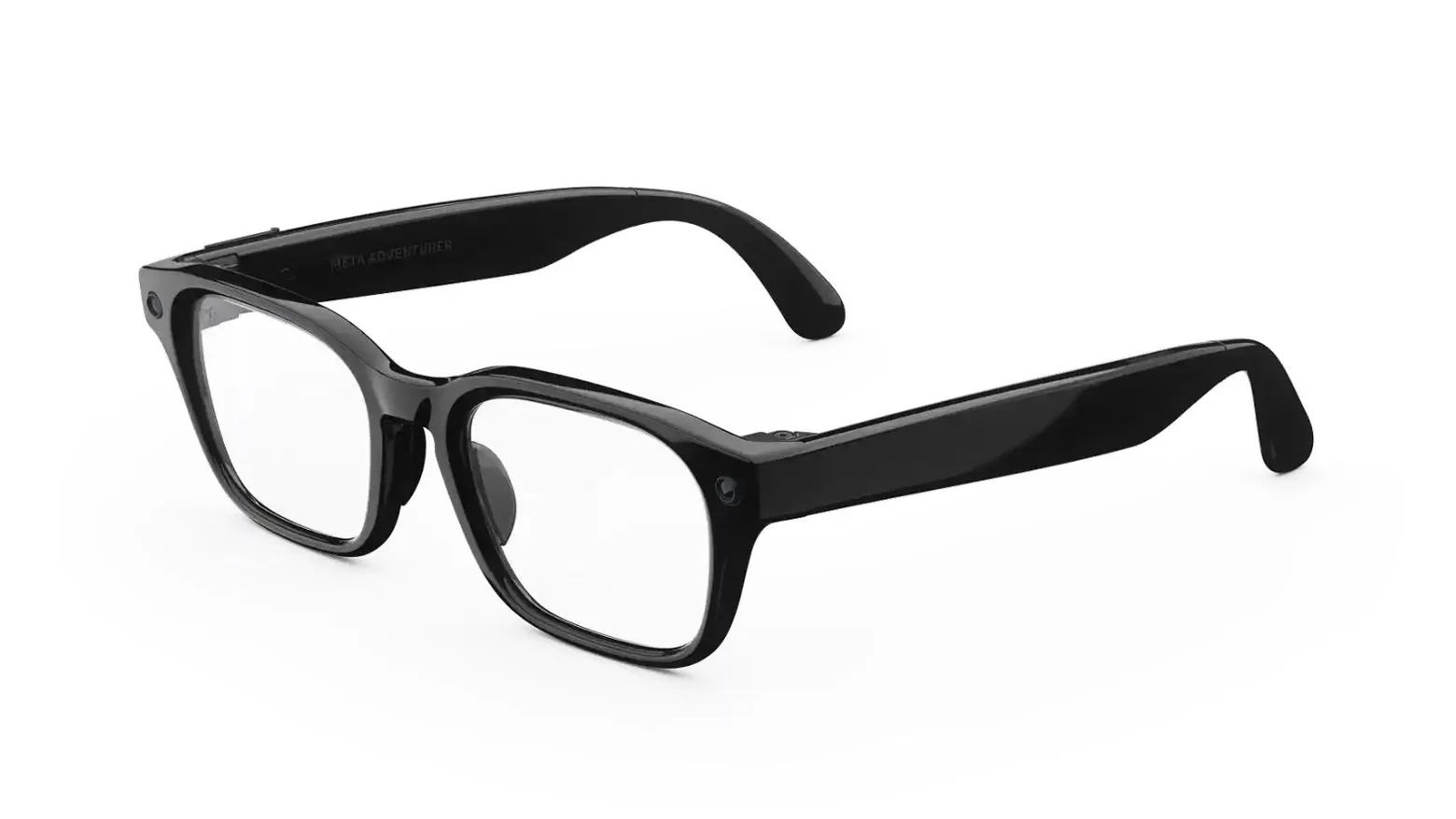
Meta Developing Smart Glasses That Record Everything Users See and Hear
Meta, the technology giant formerly known as Facebook, is reportedly working on an advanced version of its smart glasses that would continuously record everything the wearer sees and hears throughout their day. This ambitious project represents a significant leap forward in wearable technology, but it also raises profound questions about privacy and consent in an increasingly surveilled world. The development signals Meta’s continued commitment to dominating the augmented reality space, even as concerns mount about the societal implications of such pervasive recording capabilities.
According to sources familiar with the project, the new device would function as an always-on recording system, capturing visual and audio data that could be processed by artificial intelligence to create searchable memories and contextual assistance. Unlike current smart glasses that require users to manually activate recording functions, this next-generation device would operate passively, documenting the wearer’s entire day without any obvious indication to those around them. This fundamental shift in functionality has privacy advocates deeply concerned about the implications for everyday social interactions.
The most troubling aspect of this development, according to critics, is that bystanders would have virtually no way of knowing when they are being recorded. Current Meta Ray-Ban smart glasses feature a small LED indicator that illuminates during recording, providing at least minimal notice to those nearby. However, this subtle signal is easily overlooked or ignored, and continuous recording would make such indicators essentially meaningless. Privacy experts argue that this creates an asymmetric power dynamic where the technology wearer holds complete control over documentation of any interaction, while others remain unaware their words and actions are being permanently captured.
Meta’s push into smart eyewear began in earnest with its partnership with Ray-Ban, launched in 2021. The collaboration produced stylish glasses capable of taking photos, recording short videos, playing music, and making phone calls. These devices have sold reasonably well, particularly after updates that integrated Meta’s AI assistant, allowing users to ask questions about what they’re seeing in real time. The company views wearable technology as central to its broader vision of the metaverse and believes that smart glasses will eventually replace smartphones as the primary computing interface for daily life.
The history of wearable recording technology is marked by significant public resistance. Google Glass, introduced in 2013, faced intense backlash that ultimately contributed to its commercial failure. People wearing the devices were dubbed “Glassholes,” and many establishments banned their use entirely. The public proved deeply uncomfortable with the prospect of being recorded without clear consent, and Google eventually pivoted the product toward enterprise applications. Meta appears to be betting that a decade of increased surveillance normalization, combined with more fashionable designs, will yield different results this time around.
Legal frameworks governing such technology remain fragmented and largely inadequate for addressing these emerging challenges. In the United States, recording laws vary significantly by state, with some requiring all-party consent for audio recording while others only mandate single-party consent. The European Union’s General Data Protection Regulation provides stronger protections, but enforcement remains inconsistent, particularly for rapidly evolving consumer technologies. Legislators worldwide are struggling to craft rules that balance innovation with privacy rights, and devices like Meta’s proposed always-on glasses will only intensify these regulatory challenges.
Beyond individual privacy concerns, there are broader societal implications to consider. Constant recording could fundamentally alter human behavior, creating a chilling effect on free expression and spontaneous interaction. People may become more guarded in their communications, knowing that any conversation could be permanently documented and potentially shared or analyzed. Psychologists warn that this awareness of perpetual surveillance could increase anxiety, reduce authentic social connection, and ultimately erode the trust that forms the foundation of community life. The technology also raises questions about data security, as massive repositories of personal recordings would present attractive targets for hackers and raise concerns about how Meta itself might use such intimate data.
Meta has not officially confirmed all details of the project, but the company has made no secret of its ambitions in the wearable technology space. CEO Mark Zuckerberg has repeatedly emphasized that augmented reality glasses represent the future of computing and social connection. As the company continues to invest billions of dollars in this vision, the tension between technological possibility and ethical responsibility will only grow more acute. The coming years will likely see intensifying debates about where to draw the line between helpful personal technology and intrusive surveillance infrastructure that threatens the very nature of private life in public spaces.