
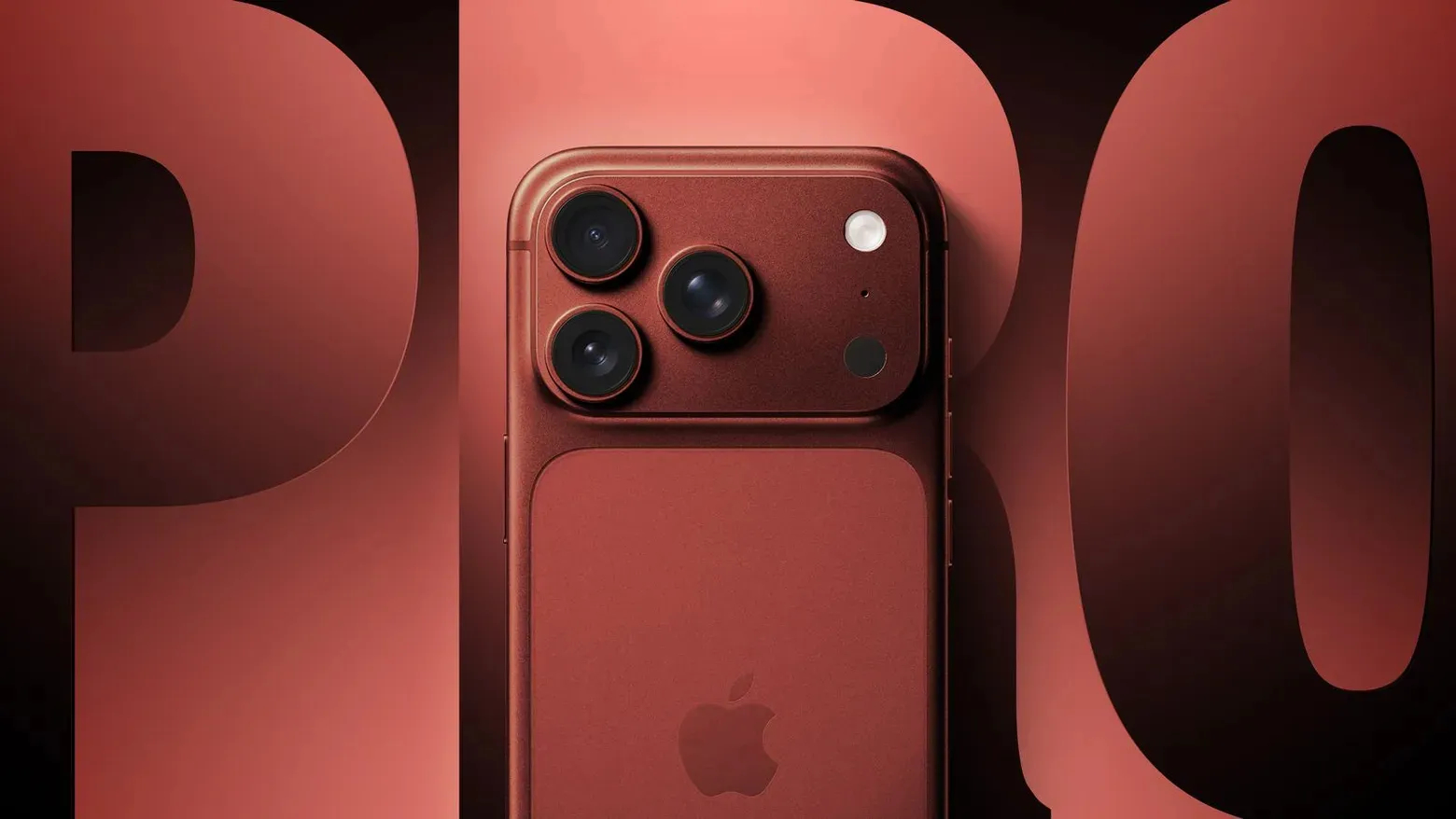
Cyberattack on Apple Partner Reveals New Details About iPhone 18 Pro Camera System
A sophisticated cyberattack targeting one of Apple’s key manufacturing partners has inadvertently exposed confidential details about the upcoming iPhone 18 Pro camera system, according to reports emerging from the technology security community. The breach, which compromised internal documents and technical specifications, has provided an unexpected glimpse into Apple’s ambitious plans for its next-generation smartphone lineup, expected to debut in September alongside what many industry analysts believe will be the company’s first iPhone Ultra model.
The leaked information suggests that Apple is preparing significant upgrades to its camera technology, continuing the company’s relentless focus on computational photography that has defined the iPhone’s evolution over the past decade. While Apple has not officially commented on the breach or the authenticity of the leaked materials, security researchers who have examined the documents describe them as consistent with legitimate Apple engineering specifications, complete with internal reference codes and supplier coordination details that would be difficult to fabricate.
This incident highlights the increasingly precarious nature of supply chain security in the global technology industry. Apple works with hundreds of suppliers and manufacturing partners across Asia, Europe, and North America, creating a vast network of potential vulnerability points that cybercriminals and state-sponsored hackers actively seek to exploit. The company’s supply chain, while remarkably efficient, has become a prime target for those seeking competitive intelligence or looking to disrupt operations. Previous breaches at partners like Quanta Computer in 2021 exposed MacBook designs months before their official announcement, demonstrating that even Apple’s legendary secrecy cannot fully protect against determined adversaries.
The camera system has long been one of the most competitive battlegrounds in the smartphone industry, with Apple, Samsung, and Google investing billions of dollars annually in sensor technology, lens design, and artificial intelligence-powered image processing. Apple’s approach has traditionally emphasized the seamless integration of hardware and software, using its custom-designed chips to perform real-time computational photography that can rival images produced by professional cameras costing thousands of dollars. The iPhone 15 Pro and Pro Max models introduced a 48-megapixel main sensor and a new tetraprism telephoto lens capable of 5x optical zoom, setting new standards for smartphone photography.
Industry analysts suggest that the iPhone 18 Pro could represent another generational leap in mobile imaging capabilities. Historical patterns indicate that Apple typically introduces major camera innovations on a two-year cycle, with the intervening year focused on refinements and software enhancements. If the leaked specifications prove accurate, the iPhone 18 Pro may incorporate advanced sensor technology developed in partnership with Sony, Apple’s longtime imaging partner, potentially including larger photosites that capture more light and reduce noise in challenging conditions. There is also speculation about enhanced zoom capabilities and improved video recording features that could appeal to content creators who increasingly rely on smartphones as their primary production tools.
The mention of an iPhone Ultra in connection with the September announcement has reignited speculation about Apple’s product strategy. The company introduced the Apple Watch Ultra in 2022 as a premium, rugged variant targeting outdoor enthusiasts and professional athletes. Applying this branding to the iPhone would represent a significant expansion of the product line, potentially creating a new tier above the Pro Max that could command prices exceeding $1,500. Such a device might incorporate exclusive features unavailable in other models, including enhanced durability, longer battery life, or specialized capabilities for professional users.
Security experts are urging companies throughout the technology supply chain to reassess their cybersecurity postures in light of this breach. The attack appears to have exploited vulnerabilities in the partner company’s document management systems, allowing unauthorized access to files shared between the supplier and Apple’s engineering teams. This type of supply chain compromise has become increasingly common, with attackers recognizing that smaller partners often lack the sophisticated security infrastructure of their larger customers. Apple has reportedly dispatched security teams to work with the affected partner and assess the full scope of the breach, though the investigation is ongoing and the identity of the attackers remains unknown.
As Apple prepares for its traditional fall product announcement, typically held in the first or second week of September at the Steve Jobs Theater in Cupertino, the company faces the unusual challenge of addressing leaked information that has already shaped public expectations. While Apple rarely acknowledges rumors or leaks, the detailed nature of this breach may force a different approach. For consumers, the incident serves as a reminder of both the intense interest surrounding Apple’s product development and the complex, globalized manufacturing ecosystem that makes modern smartphones possible. Whether the leaked details prove entirely accurate or represent only one stage in an evolving design process, they have already accomplished what Apple works hard to prevent: revealing the company’s secrets months before the carefully choreographed unveiling.