
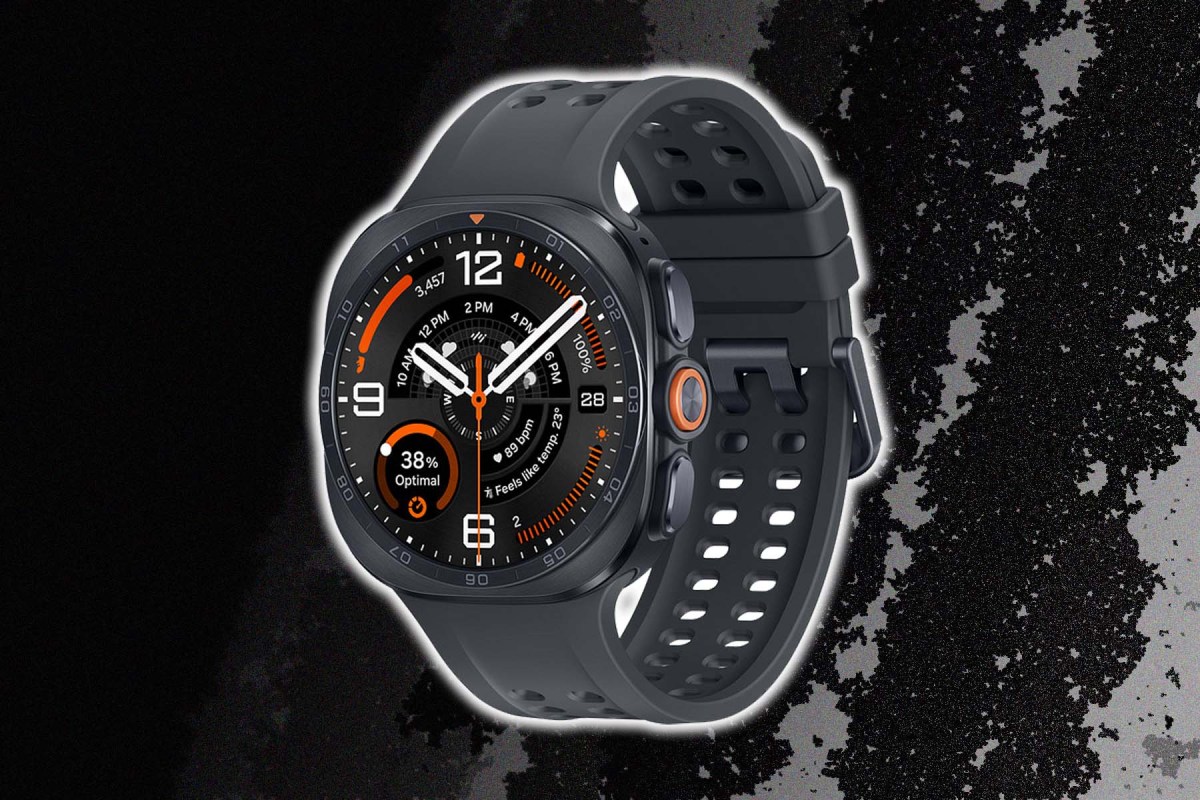
Samsung Galaxy Watch 9 and Watch Ultra 2 Set to Feature New Processors and Larger Batteries
Samsung is preparing to unveil its next generation of smartwatches at the highly anticipated Galaxy Unpacked event scheduled for July 22nd. According to industry insiders and leaked specifications, the upcoming Galaxy Watch 9 and Galaxy Watch Ultra 2 will feature significant hardware upgrades, including new processors and substantially larger battery capacities that promise to address one of the most persistent complaints among smartwatch users: limited battery life.
The South Korean technology giant has been steadily improving its wearable lineup since entering the smartwatch market, and this year’s releases appear to represent the most substantial upgrade cycle in recent memory. The Galaxy Watch 9 is expected to come in two size variants, with the larger model reportedly housing a battery capacity increase of approximately 15-20% compared to its predecessor. This improvement could translate to an additional day of usage on a single charge, a meaningful enhancement for users who have grown frustrated with daily charging requirements.
The Galaxy Watch Ultra 2, Samsung’s premium rugged smartwatch designed to compete directly with Apple’s Ultra series, is anticipated to receive even more impressive upgrades. Reports suggest the device will feature enhanced durability ratings, improved GPS accuracy for outdoor enthusiasts, and a new processor built on a more efficient manufacturing process. The original Galaxy Watch Ultra, launched in 2024, was Samsung’s first foray into the premium adventure watch segment, targeting athletes, hikers, and outdoor professionals who demand exceptional performance in extreme conditions.
At the heart of both new watches will be Samsung’s next-generation Exynos W1000 series processor, which industry analysts expect to deliver meaningful improvements in both performance and power efficiency. The current Exynos W930 chip, while capable, has faced criticism for occasional lag in demanding applications and relatively high power consumption during intensive tasks like GPS tracking or continuous heart rate monitoring. Samsung’s semiconductor division has reportedly focused on addressing these concerns, with early benchmarks suggesting up to 30% better energy efficiency without sacrificing computational power.
The smartwatch market has become increasingly competitive in recent years, with Apple maintaining its dominant position while competitors like Samsung, Google, and emerging Chinese brands battle for market share. According to research firm IDC, global smartwatch shipments reached approximately 140 million units in 2024, with Samsung holding roughly 18% of the market compared to Apple’s commanding 50% share. However, Samsung has been gaining ground in certain regions, particularly in markets where Android smartphones dominate, as the Galaxy Watch series offers superior integration with Samsung’s broader ecosystem of devices.
Beyond hardware improvements, the new watches are expected to run on Wear OS 6, the latest version of Google’s smartwatch operating system, with Samsung’s One UI Watch interface layered on top. This software combination has matured significantly since Samsung abandoned its proprietary Tizen operating system in favor of the collaborative Wear OS platform in 2021. Users can expect enhanced health monitoring features, including more accurate sleep tracking algorithms, improved stress detection capabilities, and potentially new sensors for monitoring additional health metrics. Samsung has been investing heavily in health technology research, and the company’s partnership with healthcare institutions worldwide has yielded increasingly sophisticated wellness features.
The July 22nd Galaxy Unpacked event is expected to showcase more than just smartwatches. Samsung typically uses these summer events to announce its latest foldable smartphones, wireless earbuds, and other ecosystem products. Industry observers anticipate the Galaxy Z Fold 7 and Galaxy Z Flip 7 will headline the presentation, alongside the Galaxy Buds 4 series and possibly new tablet models. The event will likely be streamed globally, allowing millions of Samsung enthusiasts to witness the announcements in real-time.
For consumers considering a smartwatch purchase, the upcoming Galaxy Watch 9 and Watch Ultra 2 represent compelling options worth waiting for. The combination of improved battery life, faster processors, and refined software could finally deliver the all-day-and-then-some experience that many users have been seeking. Pricing details remain unconfirmed, though analysts expect the standard Galaxy Watch 9 to start around $350-400, with the Watch Ultra 2 commanding a premium price point above $600, positioning it squarely against Apple’s competing Ultra model.