
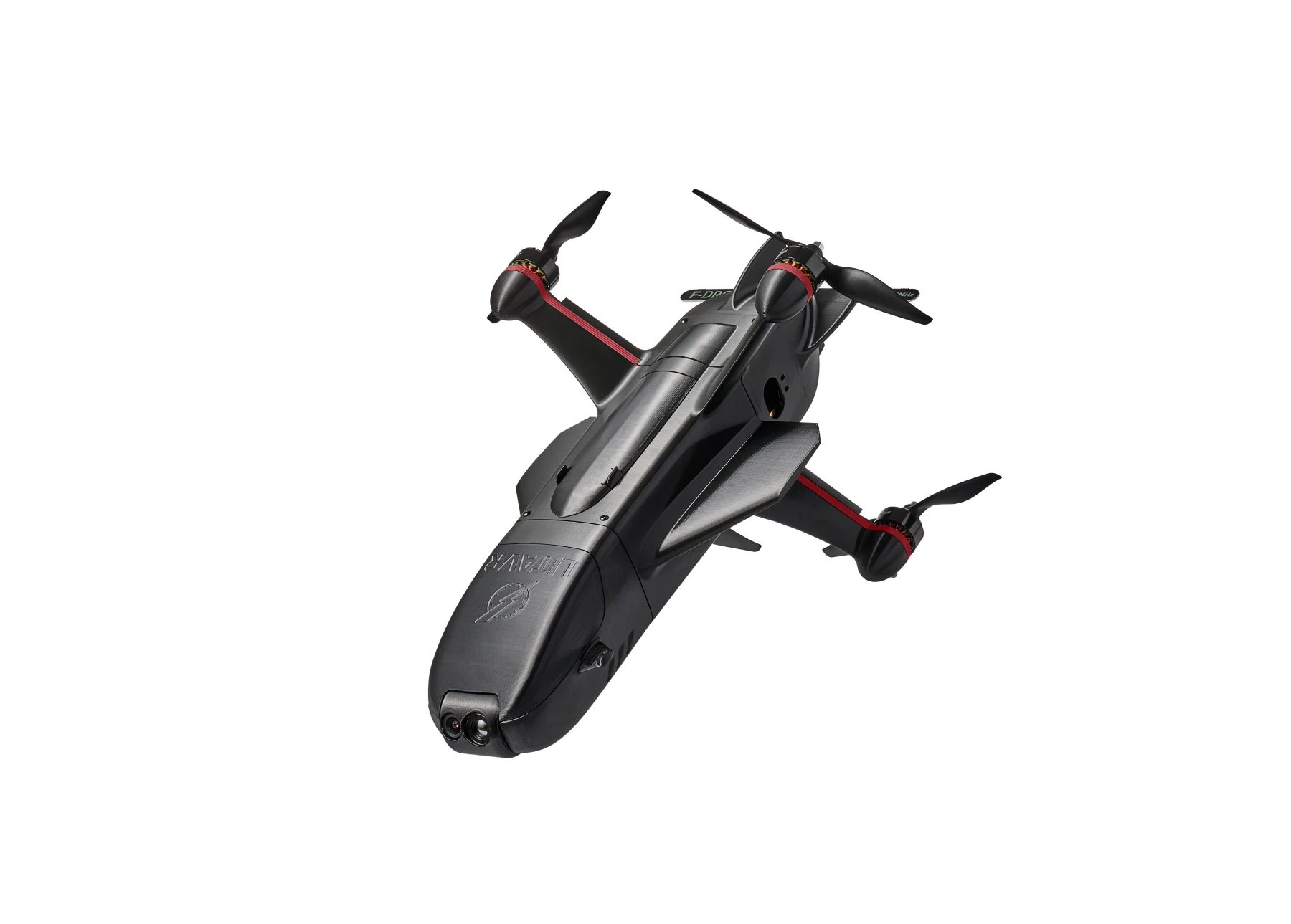
F-Drones Unveils Litavr: Autonomous Interceptor Drone Capable of Engaging Targets Up to 65 Kilometers Away
Ukrainian defense technology company F-Drones has officially introduced its latest innovation in counter-drone warfare: the Litavr autonomous interceptor drone system. This cutting-edge platform represents a significant advancement in protecting critical infrastructure and military assets from hostile unmanned aerial vehicles, which have become an increasingly prevalent threat on modern battlefields. The Litavr system is designed to autonomously detect, pursue, and neutralize enemy drones with minimal human intervention, marking a new chapter in automated air defense capabilities.
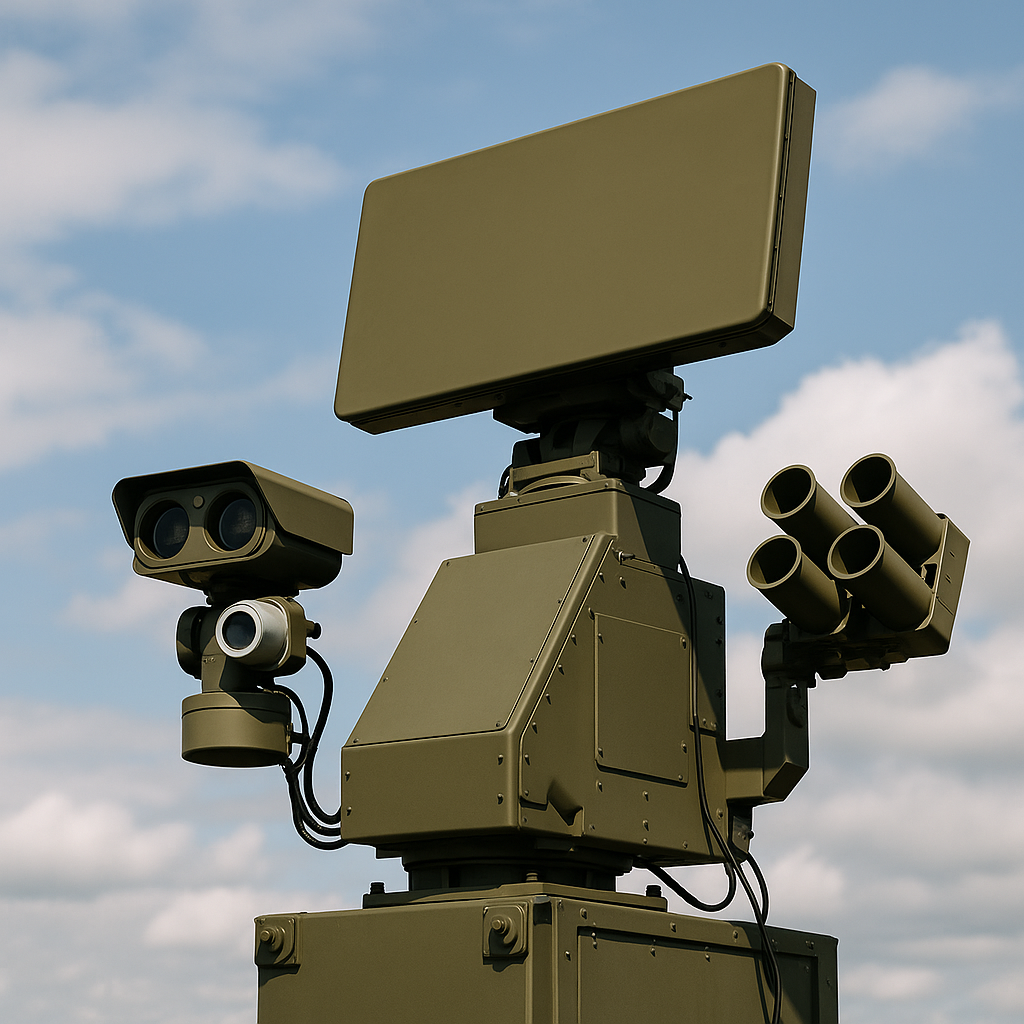
The operational concept behind Litavr is elegantly straightforward yet technologically sophisticated. The system integrates seamlessly with ground-based radar networks, receiving real-time target coordinates directly from detection equipment. Once a threat is identified and location data is transmitted, the Litavr drone autonomously initiates its launch sequence without requiring manual operator commands for takeoff. This rapid-response capability dramatically reduces reaction times, a critical factor when defending against fast-moving aerial threats that may only provide seconds of warning before reaching their targets.
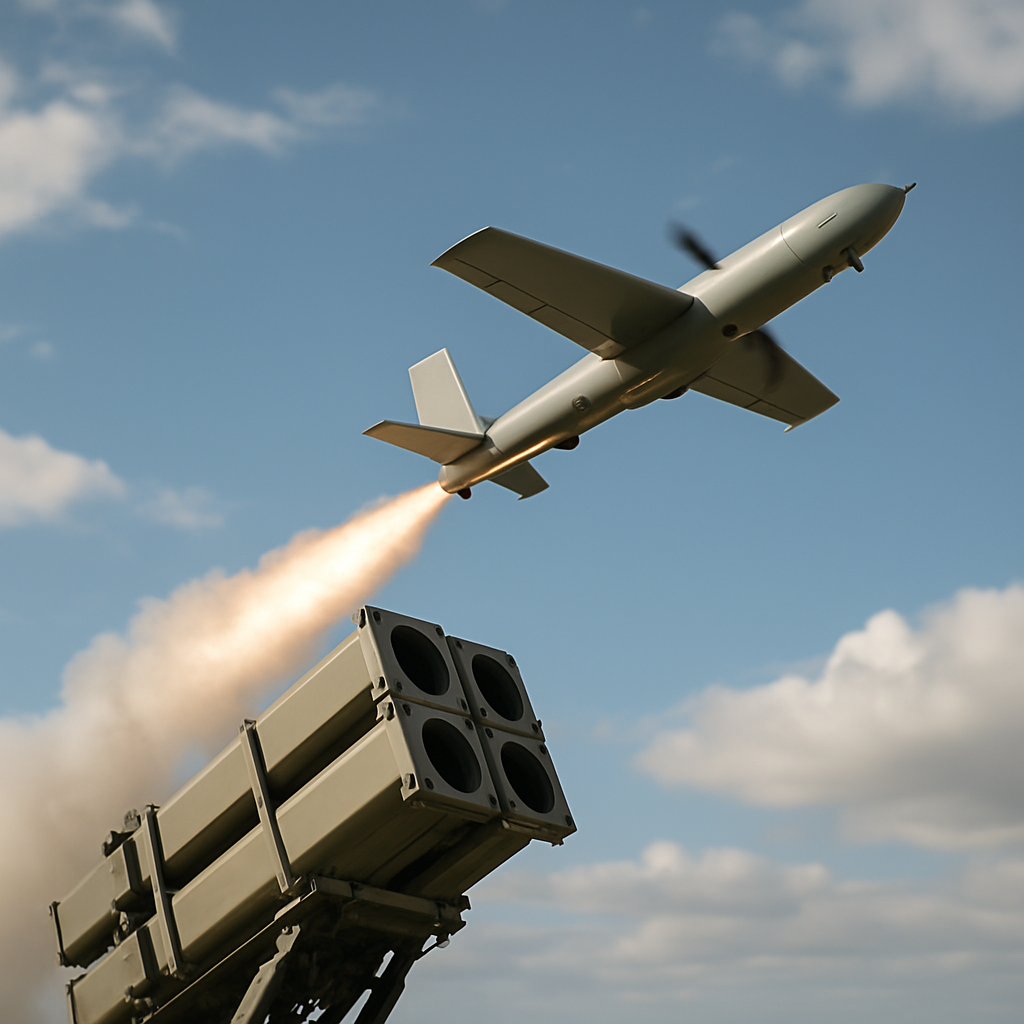
With an impressive operational range of up to 65 kilometers, the Litavr interceptor can engage hostile drones at considerable distances from protected assets, creating a substantial defensive perimeter. This extended range capability allows military commanders and infrastructure operators to establish layered defense zones, intercepting threats well before they can approach sensitive locations such as power plants, military installations, communication hubs, or logistical centers. The drone’s autonomous flight system utilizes advanced navigation algorithms and onboard sensors to track and pursue targets even when they attempt evasive maneuvers.
The emergence of sophisticated interceptor drones like Litavr reflects the rapidly evolving nature of modern warfare, where unmanned systems have fundamentally transformed battlefield dynamics. Since Russia’s full-scale invasion of Ukraine in February 2022, both sides have extensively employed drones for reconnaissance, artillery spotting, and direct attacks. Iranian-made Shahed kamikaze drones, in particular, have been used in waves against Ukrainian cities and infrastructure, creating an urgent need for cost-effective counter-drone solutions. Traditional air defense systems, while effective, often prove economically impractical when a missile costing hundreds of thousands of dollars is used to destroy a drone worth a fraction of that amount.
F-Drones has positioned Litavr as a more economically viable alternative for countering the drone threat. By using a drone to intercept another drone, the cost-per-engagement ratio becomes significantly more favorable compared to conventional missile-based air defense systems. This approach follows a growing global trend in military procurement, where defense planners increasingly seek asymmetric solutions that can neutralize threats without depleting expensive munitions stockpiles. The Ukrainian defense industry has demonstrated remarkable innovation throughout the ongoing conflict, developing numerous indigenous solutions to address immediate battlefield requirements.
The autonomous nature of the Litavr system also addresses another critical challenge in modern air defense: operator fatigue and response time. Human operators monitoring radar screens for extended periods can experience decreased alertness, potentially missing or slow-reacting to incoming threats. By automating the detection-to-engagement sequence, Litavr ensures consistent response times regardless of how long defensive operations continue. The system still allows for human oversight and intervention when necessary, maintaining the principle of human control over lethal autonomous systems while maximizing operational effectiveness.
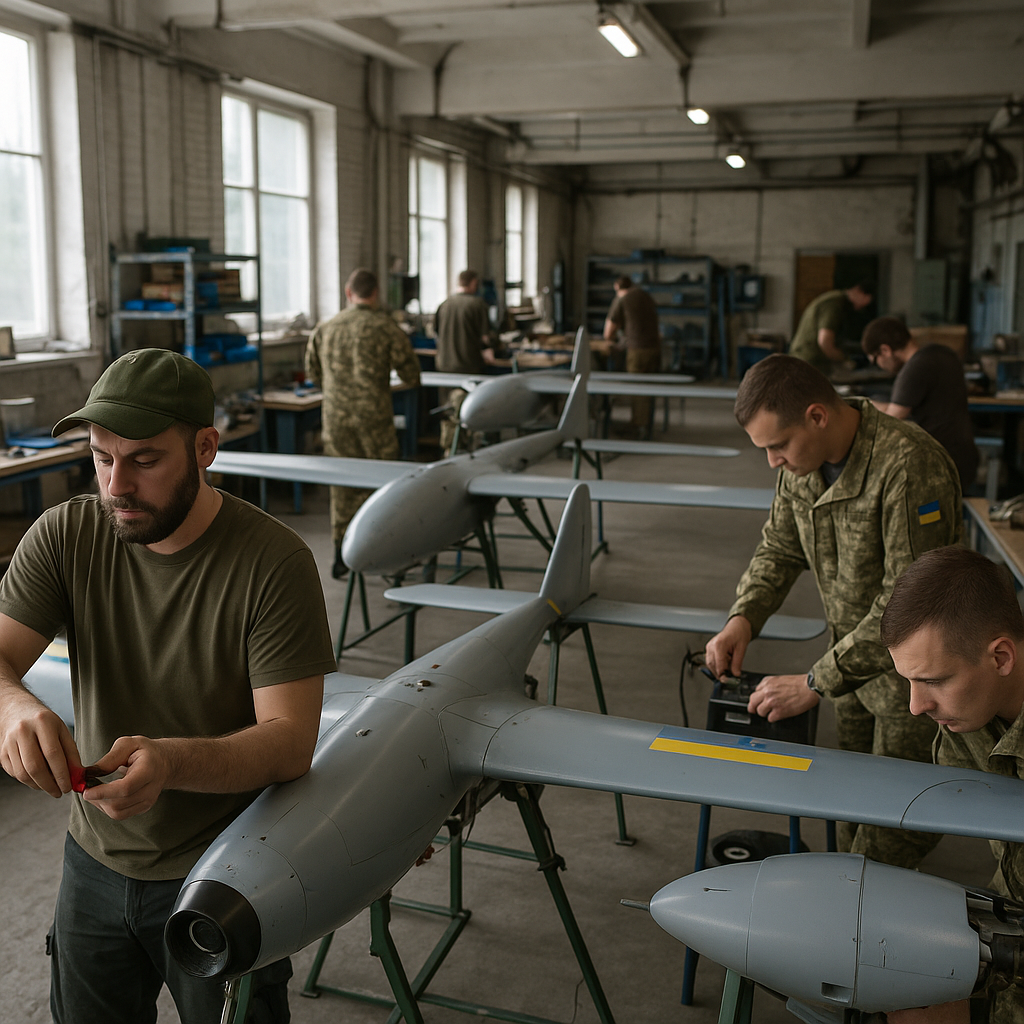
Defense analysts note that interceptor drone technology represents just one component of comprehensive counter-unmanned aerial system (C-UAS) strategies being developed worldwide. Electronic warfare systems, directed energy weapons, and traditional kinetic solutions all play complementary roles in modern air defense architectures. The Litavr system’s ability to integrate with existing radar infrastructure makes it particularly valuable as an addition to established defensive networks rather than a standalone solution. As drone technology continues to proliferate among both state and non-state actors globally, innovations like those demonstrated by F-Drones will likely become increasingly important elements of national security frameworks far beyond Ukraine’s borders.