
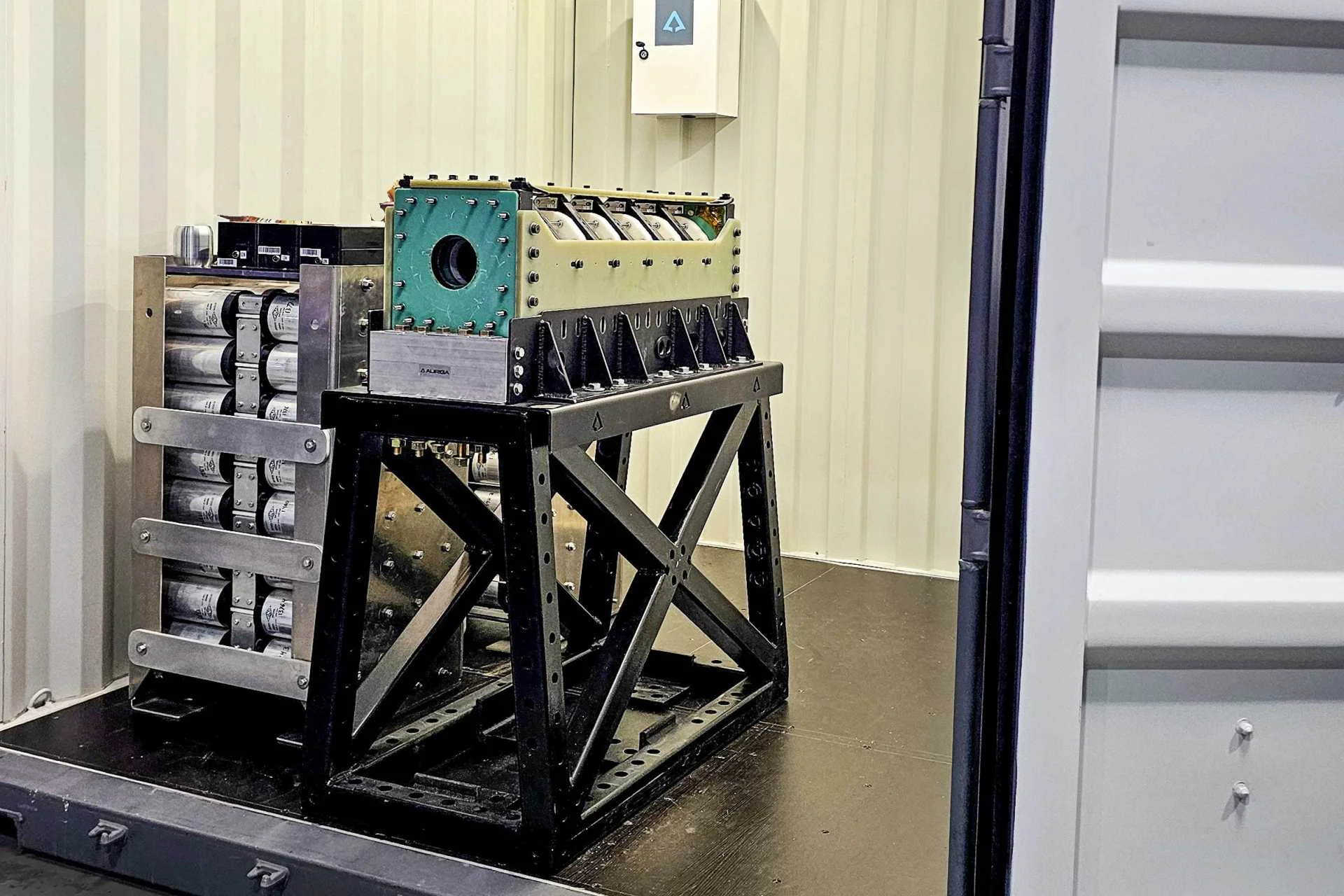
US Army to Test Electromagnetic Weapons for Countering Drone Swarms
The United States Army is preparing to conduct comprehensive tests of electromagnetic weapon systems designed to neutralize swarms of unmanned aerial vehicles, marking a significant evolution in modern air defense capabilities. As drone technology becomes increasingly accessible and sophisticated, military planners around the world are racing to develop effective countermeasures against these emerging threats. The electromagnetic installations being evaluated represent a potentially game-changing addition to existing air defense systems, offering a new approach to dealing with the growing menace of hostile drone operations.
The development of electromagnetic weapons for drone defense comes in response to the dramatic proliferation of unmanned aerial systems across global battlefields. In recent conflicts, from Ukraine to the Middle East, small commercial drones have been weaponized with devastating effectiveness, carrying explosives, conducting reconnaissance, and overwhelming traditional defense systems through sheer numbers. The challenge of countering drone swarms has exposed significant gaps in conventional air defense architectures, which were primarily designed to intercept larger, faster, and more expensive targets like missiles and manned aircraft.
Electromagnetic pulse weapons work by generating intense bursts of electromagnetic energy that can disable or destroy electronic components within their effective range. Unlike kinetic interceptors or conventional anti-aircraft systems, these weapons offer several distinct advantages when dealing with drone threats. They can engage multiple targets simultaneously, have virtually unlimited ammunition as long as power is available, and the cost per engagement is significantly lower than firing missiles at relatively inexpensive drones. This economic factor is crucial, as adversaries have exploited the cost asymmetry of using cheap drones to deplete expensive interceptor stockpiles.
The physics behind electromagnetic weapons has been understood for decades, but translating laboratory concepts into battlefield-ready systems has proven challenging. High-power microwave systems, directed energy weapons, and electromagnetic pulse generators all fall under this technological umbrella. The US military has invested billions of dollars in directed energy research through programs at laboratories including the Naval Research Laboratory and the Air Force Research Laboratory. Previous experiments have demonstrated the ability to disable drone electronics at various ranges, but issues of power generation, targeting accuracy, and environmental factors have complicated deployment. Recent advances in compact power sources and beam-steering technology appear to have overcome many of these obstacles.
Military experts suggest that electromagnetic weapons are unlikely to replace traditional air defense systems entirely but will instead complement them as part of a layered defense strategy. This integrated approach would use electromagnetic systems to handle mass drone attacks and swarm tactics, while reserving kinetic interceptors for more significant threats. The combination addresses different threat profiles more efficiently and maintains defensive capability across a broader spectrum of attack scenarios. Several NATO allies have expressed interest in similar technologies, and information sharing agreements may accelerate the development and deployment of these systems across the alliance.
The timing of these tests reflects growing urgency within the Pentagon regarding drone threats. Intelligence assessments have highlighted the rapid advancement of autonomous swarm capabilities by near-peer competitors, including China and Russia, as well as the increasing sophistication of drone programs operated by non-state actors. The conflict in Ukraine has served as a particularly stark demonstration of how unmanned systems have transformed modern warfare, with both sides employing thousands of drones for attack, defense, and surveillance purposes. Lessons learned from this conflict have directly influenced American military procurement priorities and accelerated research timelines.
Looking ahead, the successful integration of electromagnetic weapons into the US Army’s defensive arsenal could reshape military doctrine and force structures. Units equipped with these systems would possess unprecedented capability to establish drone-free zones over critical assets, headquarters, and logistics hubs. The technology also holds potential applications beyond military use, including protection of civilian infrastructure, airports, and public events from unauthorized drone activity. As testing progresses over the coming months, military officials will evaluate not only technical performance but also operational concepts for deploying these weapons in diverse combat environments around the world.